










Build a high-performance pharmacy management system equipped with the exact tools your business needs. We develop scalable features designed to eliminate operational friction and maximize efficiency.
Our custom intelligent engines use advanced AI to cross-reference medical records, automate data entry, and route orders across locations.
What you get:
Our team designs highly secure billing engines that can manage multi-party co-pays and catch compliance errors before submission.
What you get:
By uniting real-time tracking with predictive AI demand forecasting, your platform can anticipate shortages and manage supplier logistics.
What you get:
Our experts can help you securely store, index, and organize sensitive data, including medical histories and supplier invoices, in a centralized digital repository.
What you get:
We combine unified client profiles with automated communication touchpoints to keep patients informed and connected to their care.
What you get:
Our experts build custom platforms that help track multi-store performance, evaluate financial margins, and rely on machine learning insights to identify hidden operational bottlenecks.
What you get:
Explore our success stories to see how we help organizations modernize their old systems and lower overhead costs.
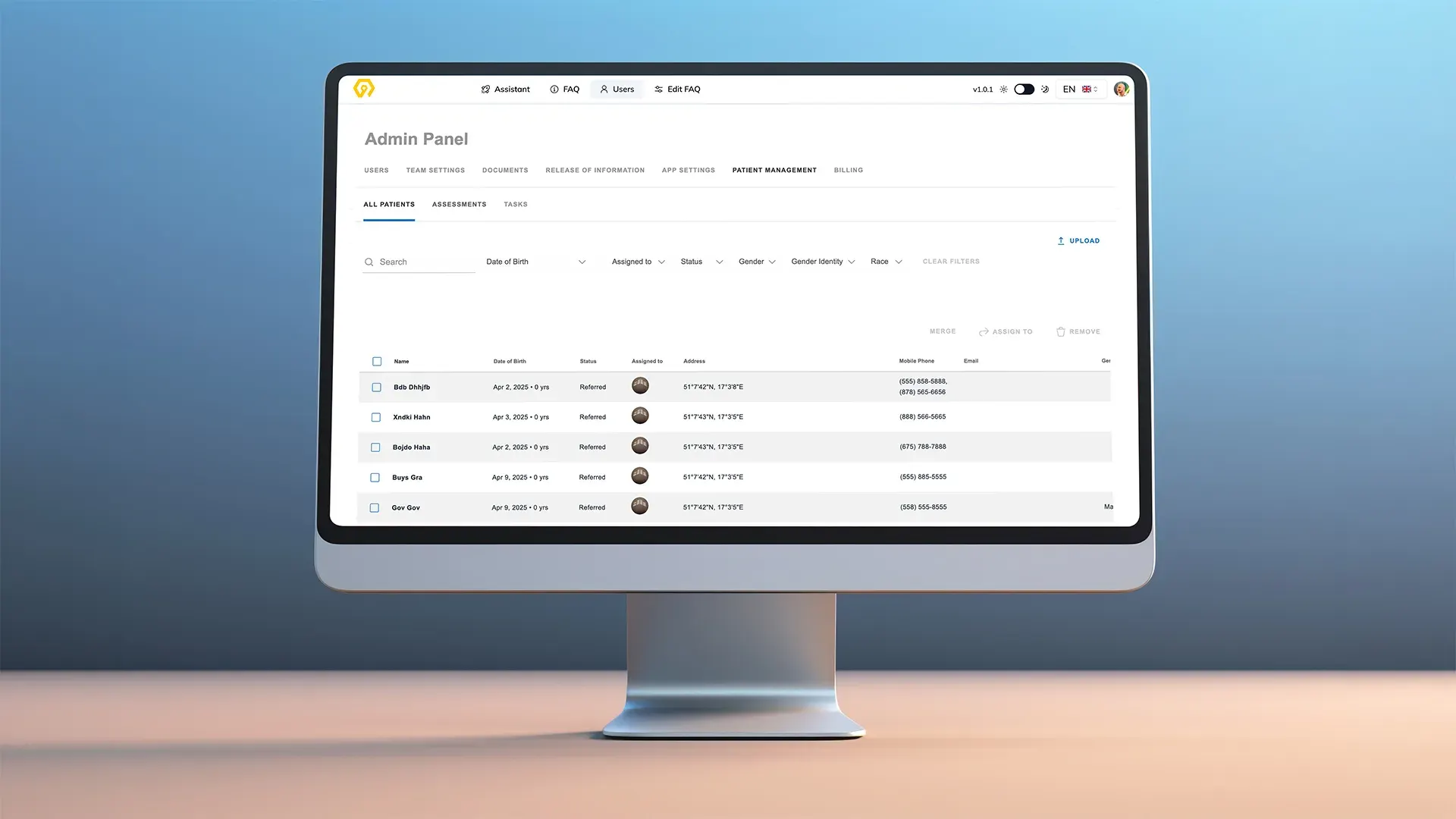
100% offline-first mobile app
Fragmented spreadsheets prevented response teams from tracking field interventions and analyzing outcomes. We engineered a multi-tenant backend on AWS. The solution uses a multi-tenant architecture with separate database schemas to enforce strict HIPAA and 42 CFR Part 2 compliance. The offline-first logic queues data locally and syncs sequentially upon network restoration.
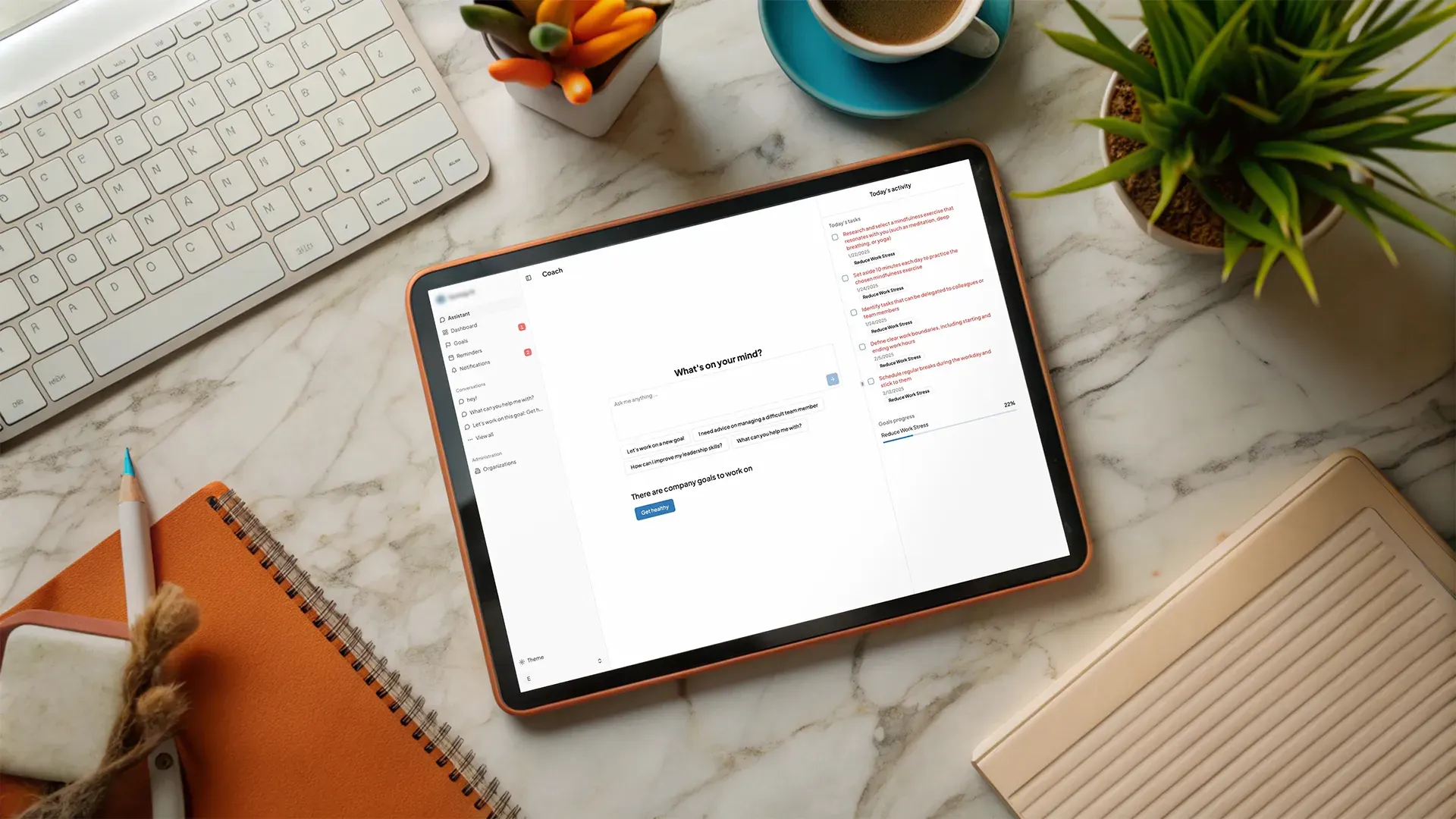
50% task execution
Our team built a scalable productivity SaaS platform to replace fragmented goal-tracking tools. It was developed as a cross-device PWA using Next.js and Supabase. By integrating an interactive AI personal coach powered by OpenAI and LangGraph, the platform enables users to refine their objectives via chat and automatically break high-level goals down into actionable tasks and milestones.


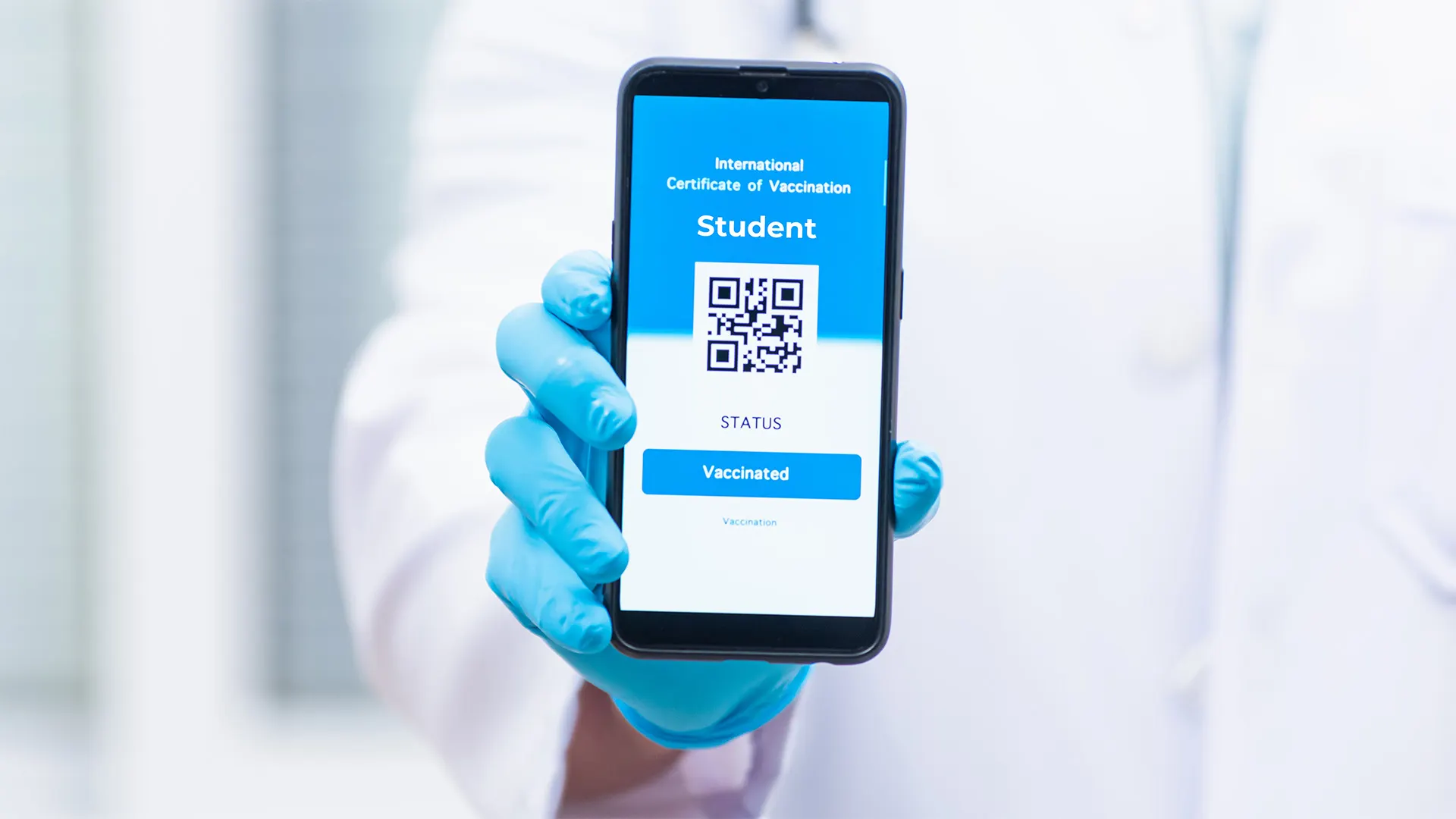
100% visibility into regional immunization compliance
This centralized administration platform helps school systems monitor and improve student immunization compliance. Administrators can get access to individual student profiles to isolate missing immunizations and check compliance statuses. To streamline field operations, the platform tracks nurse performance metrics and manages dedicated information directories for parents, students, and nursing staff.

Accelerate your growth with a team that commands both healthcare software development and advanced AI engineering.
Our engineers deeply understand the needs of the healthcare industry. Thanks to this, your digital workflows align perfectly with clinical realities.
We implement advanced agentic AI and build autonomous multi-agent systems that proactively solve complex pharmacy and supply chain challenges.
Strict data encryption, access controls, and compliance frameworks are embedded directly into your platform, which guarantees complete audit readiness.
We design highly flexible architectures that handle surging prescription volumes, multi-region store expansions, and heavy multi-agent AI workloads.
Every line of code we write, and every AI model we implement, is strictly mapped to your measurable business goals and outcomes.
Our developers ensure interoperability with global healthcare standards, external EHR/EMR networks, e-prescribing channels, and existing hospital billing systems.
We help global healthcare organizations migrate to intelligent systems designed to coordinate end-to-end operational pipelines.


At Akveo, we engineer interoperable digital solutions designed to navigate the unique complexities of the healthcare ecosystem.
Secure electronic health record systems centralize patient charts, automate clinical documentation, and streamline data sharing between medical providers.
Modern virtual care platforms connect patients and doctors with video consultations, remote health monitoring tools, and digital prescription routing.
Comprehensive resource planning software helps you manage daily clinical workflows, pharmaceutical supply chains, medical billing, and hospital resources.
Engaging mobile apps combine habit tracking, personalized workout plans, and wearable IoT integrations, and empower users to manage their long-term health proactively.
We match the tech stack to your exact operational bottlenecks. You get a pharmacy database management system engineered for high data throughput and long-term structural stability.
Integrate our experts into your sprint cycles to match your specific compliance boundaries and AI deployment goals.
This model is the best choice for multi-year roadmaps when you need developers who integrate deeply with your internal clinical logic and corporate culture.
Best for: Large-scale pharmacy chains, scaling digital health platforms, and enterprise healthcare IT modernizations.
Our experts can take responsibility for the entire product lifecycle from initial architecture to final deployment. We guarantee strict adherence to budgets and healthcare standards.
Best for: Businesses launching a new digital product, targeted software integrations, or migration from rigid legacy systems.
We can help you bypass hiring bottlenecks overnight by infusing senior engineering specialists directly into your current developer roster.
Best for: In-house technical teams looking for specialized expertise or extra engineering hands to hit tight regulatory or market deadlines.
70% of our partners continue working with us for more than 2 years.
As a rule, our team requires from 4 to 9 months to deliver a production-ready system. If you want to launch an MVP with basic features for tracking inventory and prescription processing, this project usually takes from 12 to 16 weeks. Implementation of any extra functionality, like multi-agent AI workflows or complex insurance adjudication engines, extends the timeline. Among other factors that have a direct impact on the project timeframes are legacy data migration and third-party API compliance verification.
The necessary budget depends on numerous factors, such as the project scope and complexity. Typically, the amount ranges from $90,000 to $250,000+. A small retail app will be much cheaper than an enterprise-grade platform with real-time claim adjudication and autonomous inventory routing. Moreover, based on our experience in healthcare software development, we recommend allocating 15% to 20% of the initial build budget to annual infrastructure maintenance and compliance auditing.
One of the key tasks that AI can perform is the automation of manual validation loops. Machine learning models can run real-time optical character recognition on handwritten scripts. This drastically reduces transcription errors. Agentic AI autonomously cross-references patient medical records against drug databases to flag contraindications. At the same time, predictive analytics can detect regional health trends to automate bulk purchasing and avoid inventory stockouts.
Custom software development provides businesses with greater flexibility. Tailored solutions replace fragmented data silos with real-time API orchestration. Off-the-shelf software offers only a limited set of features and a low level of customization. Meanwhile, architectures designed for your organization match your precise clinical workflows. You own the source code. This eliminates recurring user-license fees and enables you to scale data throughput without hitting database lockups.
Production pharmacy databases require an automated e-prescribing intake pipeline, tools for real-time insurance claim adjudication, and inventory tracking with automatic reorder triggers. To provide the necessary level of security for sensitive patient data, your platform should be equipped with field-level encryption and Zero-Trust access. In addition to it, the system needs an interoperable data layer powered by HL7 or FHIR protocols. This makes it possible to sync datasets with external EHRs.