






Access a full spectrum of manufacturing software development services. Define the right strategy, build the solution, and ensure it drives measurable operational efficiency.
Translate operational challenges into a concrete technology roadmap before committing to development. Expert analysis of existing systems, manufacturing workflows, and integration requirements ensures every build decision is grounded in real business outcomes.
What you get:
Build software solutions that fit the workflows of your production environment — not generic off-the-shelf solutions stretched to fit. Full-cycle development covers everything from shop floor interfaces to backend data infrastructure.
What you get:
Connect manufacturing software to the broader operational ecosystem. Seamless integration between ERP systems, MES platforms, IoT devices, and third-party tools eliminates data silos and gives production teams a single source of truth across all manufacturing operations.
What you get:
Extend the value of existing manufacturing software without a full rebuild. Targeted modernization of legacy platforms improves performance, expands functionality, and brings aging systems into compliance with current security and operational standards.
What you get:
Keep manufacturing software performing reliably as operations scale. Proactive monitoring, scheduled updates, and dedicated support ensure the platform evolves with the business without accumulating technical debt.
What you get:
Discover how manufacturing companies eliminated manual workflows, gained real-time production visibility, and scaled operations.
50% Faster Data Retrieval
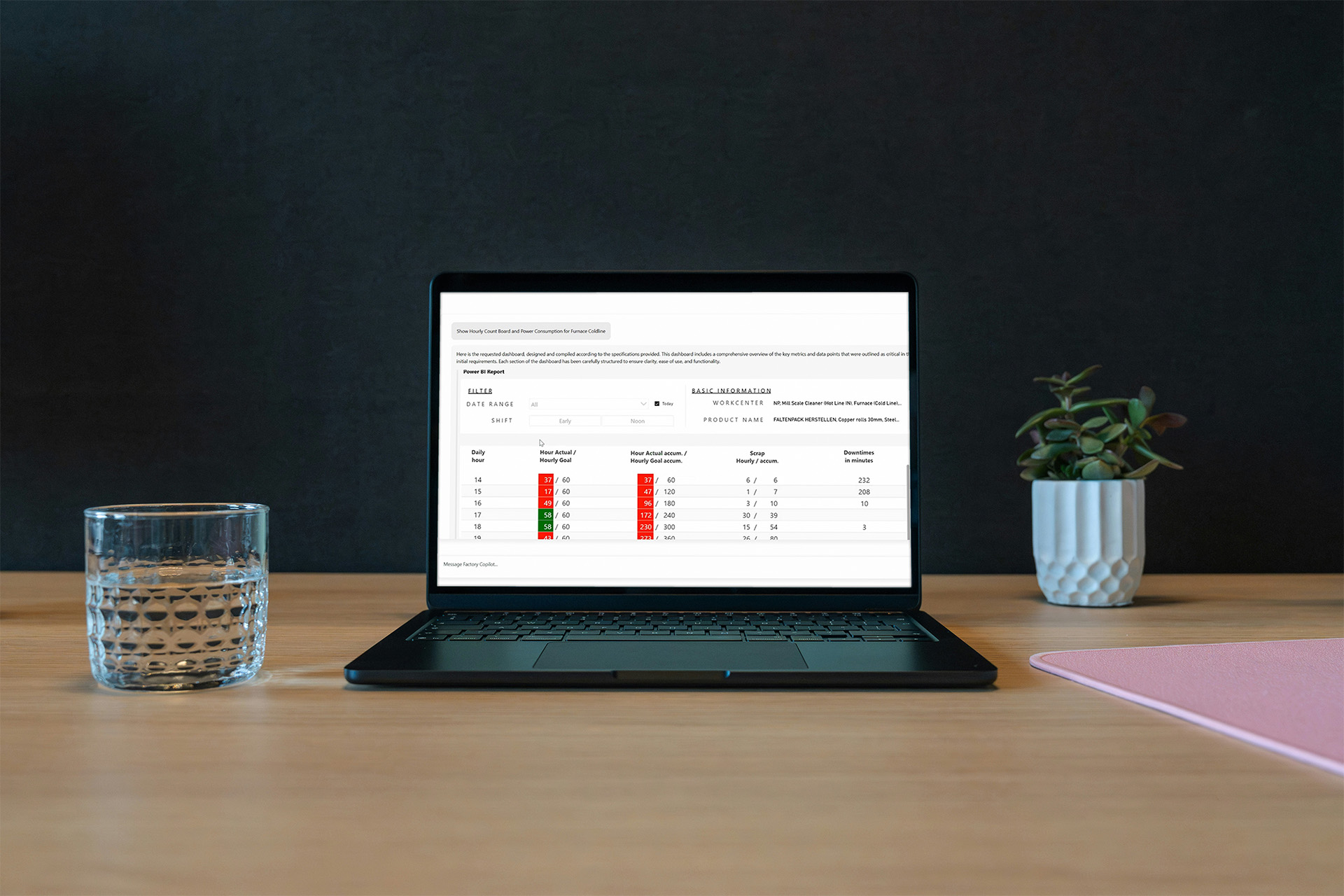
An AI-powered chatbot integrated into a leading industrial SaaS platform enables operators and plant managers to query real-time production KPIs, retrieve configuration documentation, and monitor machine status through natural language — without navigating complex dashboards or raising IT tickets. Built with Azure OpenAI GPT-4, SemanticKernel, and Azure AI Search, Factory Copilot connects SQL databases, PDF documents, and REST APIs into a single conversational interface. Result: faster decision-making, reduced IT dependency, and measurable improvements in manufacturing operational efficiency.
5-Year Engagement, Multi-Stream Delivery
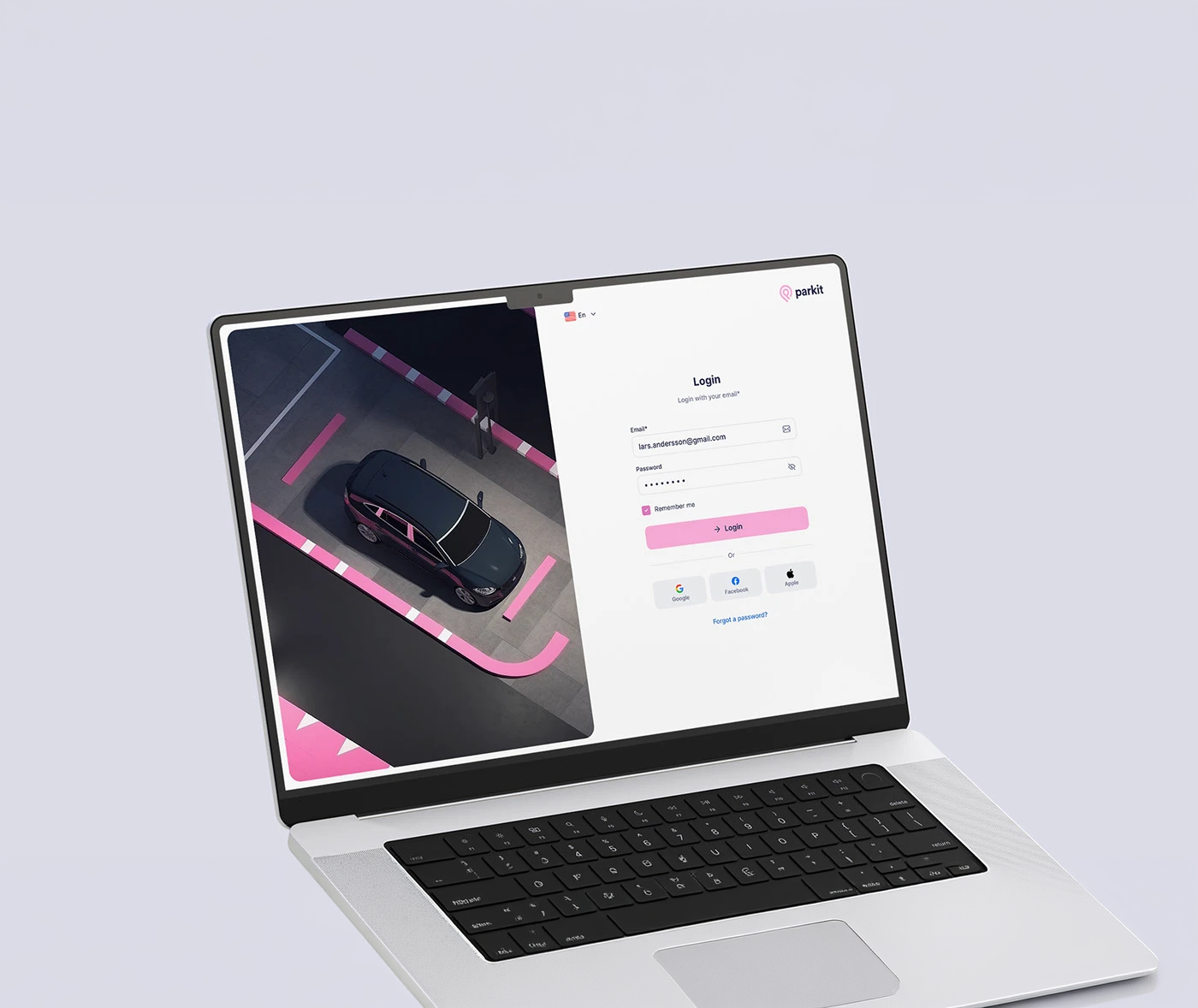
A comprehensive manufacturing digitalization platform built for one of the world's largest chemical producers. Akveo delivered a mobile application for field workers, real-time telemetry data collection, and production planning tooling across multiple development streams. The React Native mobile app enables field teams to capture data, access records, and complete workflows regardless of connectivity. The platform integrates IoT sensor data, analytics, and production systems into a unified operational view across global facilities.
End-to-End Digitalization Across Production Operations
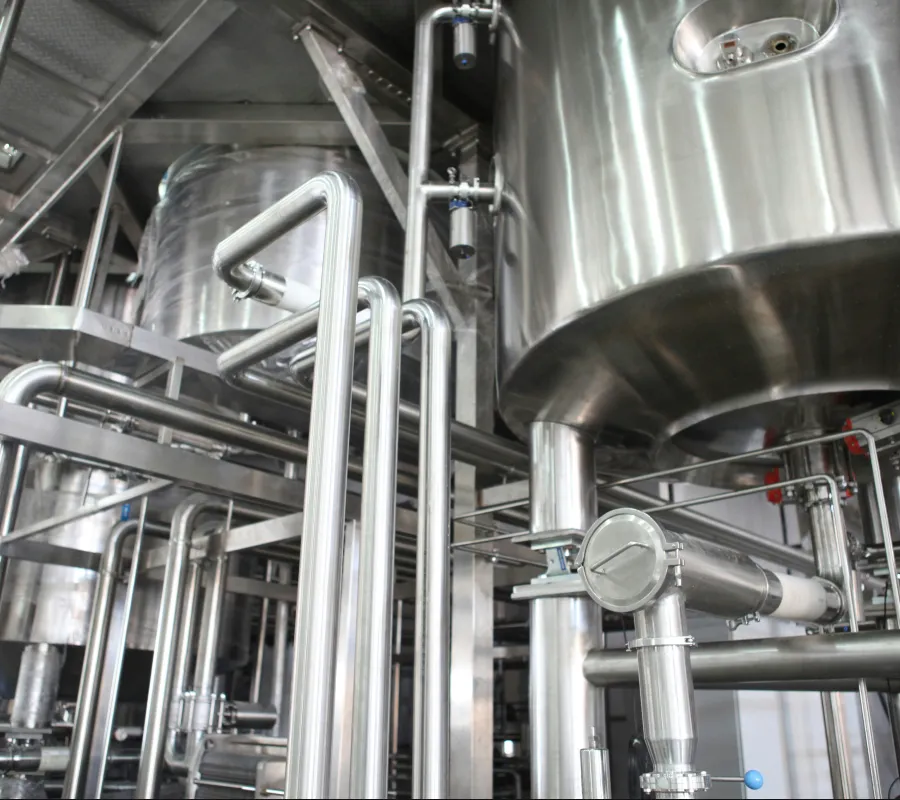
A multi-year manufacturing software development engagement delivering a centralized platform that connects production systems, IoT sensors, and business analytics into a single operational layer. The platform features a microservice architecture with real-time telemetry processing via Azure IoT Hub, embedded Power BI analytics, predictive maintenance alerting, and a shop floor management UI. Akveo handled full-cycle delivery: frontend, backend, infrastructure provisioning, CI/CD automation, and ongoing feature development across a 3-year collaboration.
Experience a development partnership focused on production outcomes, not just code delivery.

Every project starts with understanding how the plant operates — not just the software requirements. Manufacturing workflows, operator constraints, and production data architecture are mapped before code is written.

Accurate estimates that hold. Transparent manufacturing software development process and clear communication ensure full visibility on progress, scope, and budget at every stage.

From IoT sensor ingestion to live KPI dashboards, systems are built to handle high-frequency production data reliably — with the backend performance to match.

Architecture supports growth from a single production line to multi-site enterprise deployments without costly rebuilds.

Computer vision for quality control, predictive maintenance models, and AI-powered demand forecasting are delivered as native platform features — not afterthought integrations.

Robust security measures, role-based access control, and regulatory compliance are embedded at the architecture level. Not added at the end.
Success is measured by operational impact, not just delivery milestones.




Purpose-built software for the specific challenges that slow down manufacturing companies.
Connect the shop floor to business systems in real time. A custom MES tracks production orders, monitors work-in-progress, captures quality data, and gives plant managers live visibility into every stage of the manufacturing process — replacing clipboard-based workflows with a single operational control layer.
Eliminate stockouts, overstock, and manual counting errors. Custom inventory management solutions give manufacturing companies real-time visibility into raw materials, components, and finished goods — from warehouse receipt to production line consumption.
Build resilience into the supply chain from end to end. Custom supply chain software connects procurement, production planning, and logistics into a unified system — enabling demand forecasting, supplier performance tracking, and proactive disruption response.
Stop reacting to equipment failures and start preventing them. AI-powered predictive maintenance software analyzes telemetry data from manufacturing equipment to identify failure patterns before they cause downtime — protecting production schedules and extending asset life.
Make overall equipment effectiveness measurable, visible, and actionable. Custom OEE software captures availability, performance, and quality data from production lines and turns it into dashboards that drive continuous improvement across the manufacturing environment.
Replace manual spreadsheets and static plans with dynamic production scheduling that adapts to real-time demand. Custom scheduling software balances capacity, raw materials, and delivery commitments — keeping production lines running efficiently even as conditions change.
Technology is selected to maximize performance, real-time data reliability, and long-term maintainability.


Collaborate in a way that fits your team structure and project maturity.
A defined scope delivered end-to-end — from architecture through production deployment.
Best for: New custom manufacturing software builds, system integrations, legacy modernization projects.
Senior manufacturing software developers embedded in an existing team to accelerate delivery and fill specific technical gaps.
Best for: Teams needing IoT integration expertise, Azure specialists, or React Native engineers for mobile workforce tools.
95% of our partners continue working with us beyond the initial scope and more than 70% stay with us for 2+ years.






Manufacturing software is a category of custom software solutions designed to digitalize, automate, and optimize production operations. It spans a wide range of systems — from manufacturing execution systems (MES) and ERP platforms to inventory management, predictive maintenance tools, OEE software, and supply chain management solutions.
The right manufacturing software depends entirely on the specific operational challenges of the business. Off-the-shelf solutions like SAP, Odoo, or Oracle cover broad ERP functionality but rarely fit the exact workflows of a specific manufacturing environment. Custom manufacturing software development fills the gap — building tailored solutions that integrate with existing systems, match production-line realities, and scale with the business.
Timeline depends on scope and complexity. A focused module — such as a machine monitoring dashboard or a warehouse management tool — can be delivered in 2–4 months. Mid-range platforms with ERP integration, IoT connectivity, and custom reporting typically require 4–9 months. Enterprise-grade manufacturing software development projects with multi-site deployments and complex data infrastructure run 9–18 months.
Custom manufacturing software development costs vary significantly by scope. Targeted tools — a production scheduling module or an OEE dashboard — typically run $40,000–$100,000. Mid-complexity platforms with system integrations and IoT connectivity range from $100,000–$300,000. Enterprise-grade manufacturing execution systems or multi-site platforms can exceed $300,000. Factors include the number of integrations with existing systems, real-time data requirements, mobile components, and AI features.
An ERP (enterprise resource planning) system manages business-level functions — finance, procurement, HR, and order management — across the entire organization. A manufacturing execution system (MES) operates at the shop floor level, tracking real-time production orders, machine status, quality checkpoints, and operator activity.
Predictive maintenance software analyzes real-time telemetry data from manufacturing equipment — vibration, temperature, pressure, cycle counts — to identify patterns that indicate impending failure. Rather than scheduling maintenance on fixed intervals or waiting for breakdowns, predictive maintenance platforms alert teams when equipment health data suggests intervention is needed.
Yes. Integration with SAP, Odoo, and custom ERP systems is a core part of most manufacturing software development engagements. Akveo builds integration layers using REST APIs, Azure Service Bus, and direct database connectors to enable real-time data exchange between custom manufacturing applications and existing ERP and CRM systems.