


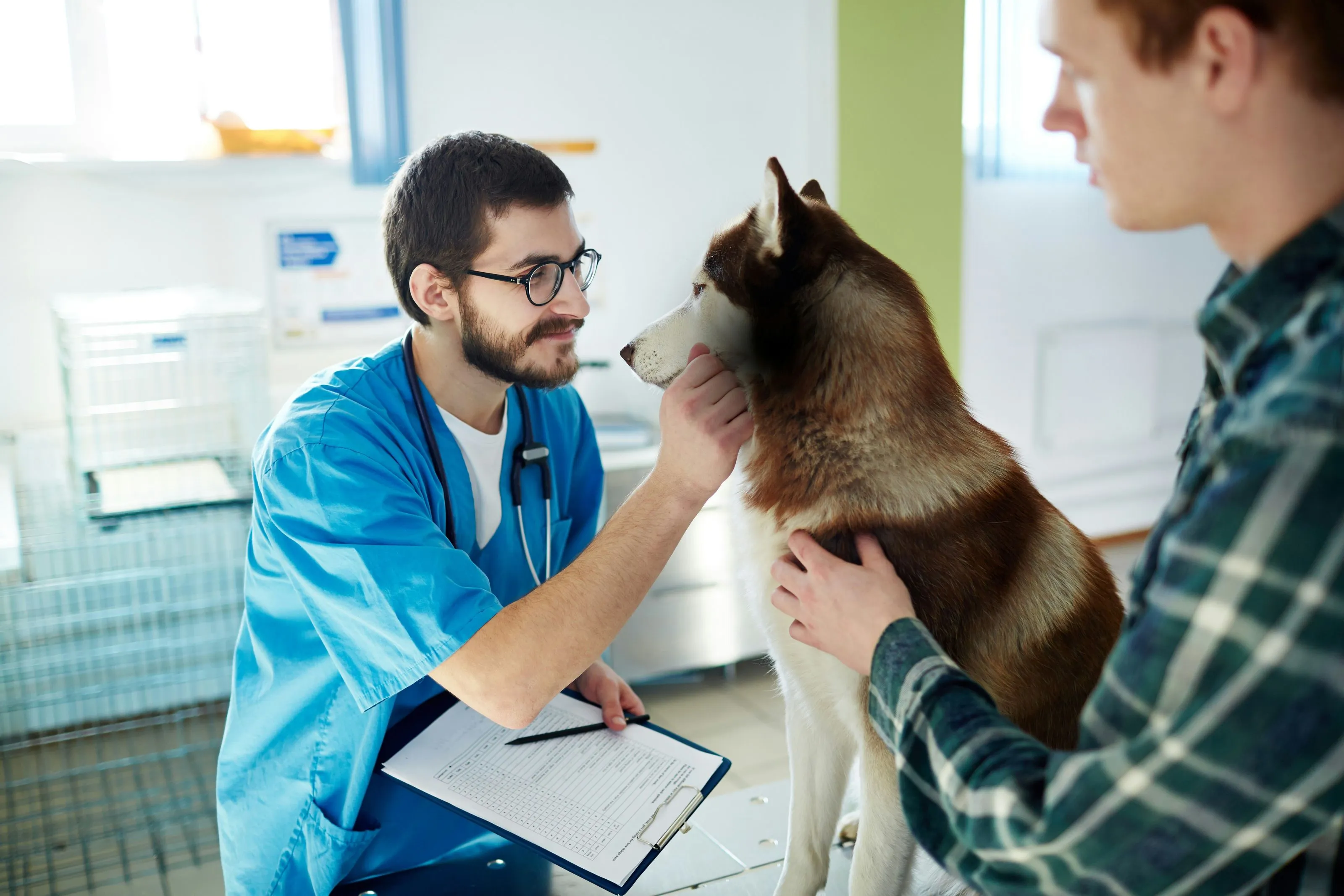
Veterinary medicine is built on three pillars: expertise, deep commitment to animal well-being, and compassion. Like in no other field, empathy plays a big part in how veterinarians reach treatment success for their patients:
- Vets rely on observational skills and diagnostics more than human doctors because their patients can't verbalize symptoms.
- Treatment plans often hinge on the owner's emotional and financial factors, imposing ethical dilemmas and difficult conversations.
Emotional exhaustion is a common outcome, as nearly 86% of veterinarians across North America regularly feel anxiety or distress at work.
Additionally, modern clinics face all the challenges of the data-driven age: information overload, need for faster knowledge sharing, remote staff burnout, data security concerns, lack of data standardization, and resistance to change.
The good news is that while the industry is waiting for another medical breakthrough, its challenges in operations, people management, and routine procedures can be tackled with the capabilities of artificial intelligence.
What Is the Meaning of AI in Veterinary Medicine?
AI gives a powerful set of tools to automate tasks, monitor staff well-being, reveal hidden insights in data, and give veterinary professionals more time for what matters most: providing exceptional, compassionate care.
AI Is Already Widely Used in Veterinary
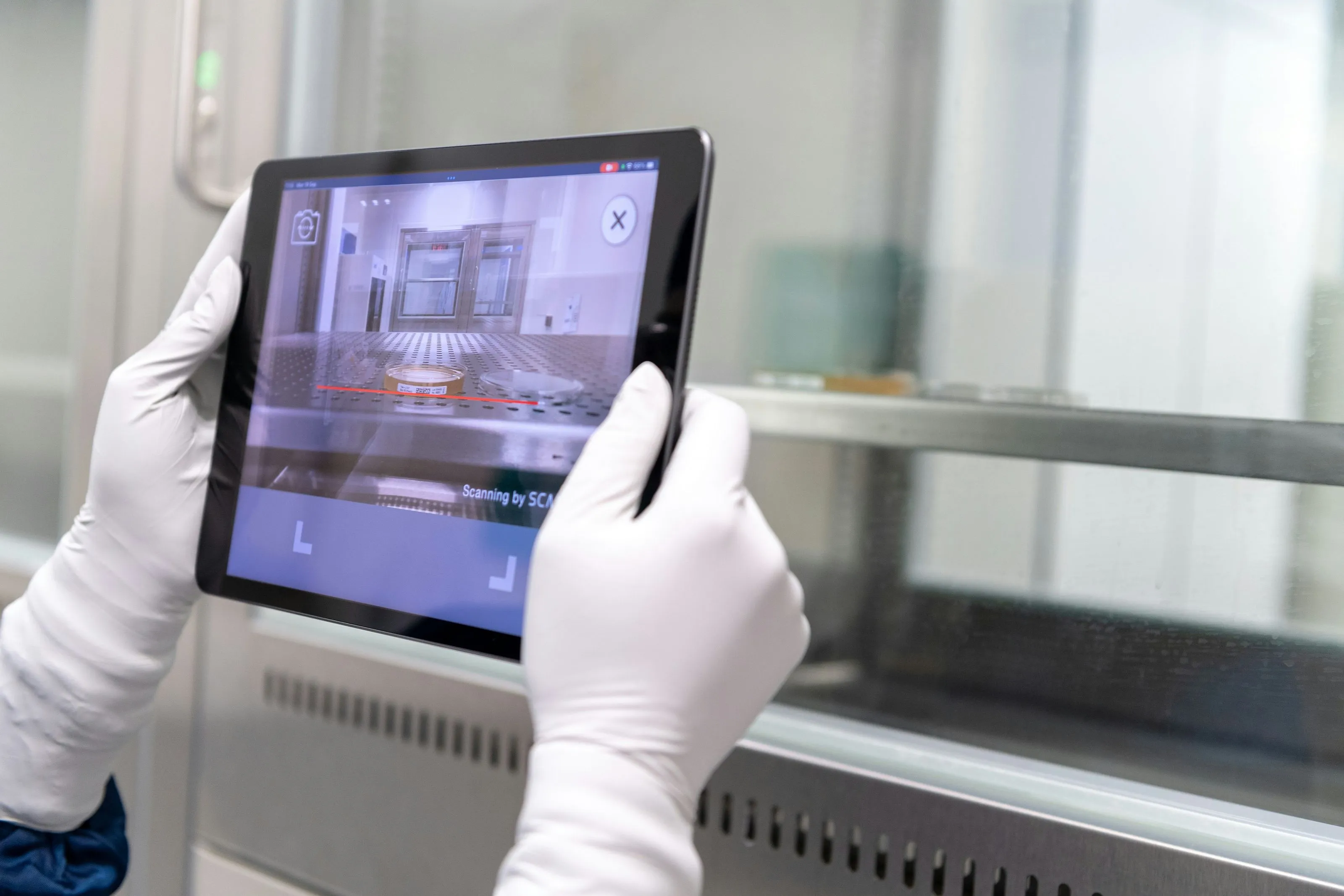
According to Statista, the global animal health market is forecasted to increase to nearly 150 billion US dollars by the early 2030s.
The market's expansion is driven by a confluence of factors:
- Rising pet ownership
- Advancements in AI technology
- Increasing demand for efficient diagnostic and treatment solutions
- Growing focus on animal welfare and precision livestock farming
The key regions include the US and Canada, the European Union zone, the UK, and Asian countries.
United States & Canada
The US is currently the largest market for veterinary AI ($514 million in 2024), driven by high rates of pet ownership, advanced healthcare infrastructure, and significant investment in R&D from startups and corporations. The focus there stays on AI for diagnostic imaging, practice management software, and telehealth.
Canada is rapidly becoming a leader in North American veterinary AI. The Canadian veterinary AI diagnostics market generated a revenue of 32.4 million US dollars in 2024 and is expected to reach USD 134.0 million by 2033.
Europe
The EU countries make a close second, accounting for 37.3% of the global AI in animal health market ($583 million in 2024). In terms of pet ownership, Germany, France, and the Netherlands are leading the way.
- Germany: Over 30 million pets; 44% of households own pets. (The Munich Eye)
- France: 61% of households own pets. (GlobalPETS)
- Netherlands: 23% of households own cats, 18% own dogs. (GlobalPETS)
Strong regulations around animal welfare and data privacy (like GDPR) create a need for responsible AI solutions. There's a particular emphasis on AI for livestock management (precision farming) and pharmaceutical research.
United Kingdom
The UK has a vibrant tech scene and a deep-rooted love for pets, a fertile ground for veterinary AI. The National Health Service model has inspired a data-driven approach to health, which is now influencing the animal health sector as well.
The UK veterinary medicine market size was estimated at USD 2.64 billion in 2024. It is expected to grow at a CAGR of 7.8% from 2025 to 2030.
Key areas of growth are AI-driven diagnostic support and predictive analytics for insurance providers.
Asia
Asia is one of the fastest-growing veterinary AI markets, projected to reach 11.26 billion by 2033. This is fueled by increasing pet ownership and a massive agricultural sector.
- China: 124.1 million total pets in 2024.
- Japan: 15.91 million pet dogs and cats in 2023.
- India: Dogs (74.21% of pet owners) and cats (66.71%) are the most common.
Governments and private companies make investments in tech with a focus on mobile-first solutions, remote monitoring for livestock, and cost-effective diagnostic tools.
The integration of AI into veterinary care is not a question of if, but when and how. Businesses and practices that embrace it will be best positioned to meet the demands of the market and provide a higher standard of care.
Why Does Veterinary Medicine Need AI?
Artificial intelligence gives veterinary medicine powerful tools for data analysis and pattern recognition, which can help make quantifiable improvements in diagnostics and treatment. It functions by processing vast and complex datasets far beyond the scope of human capability.
AI is also becoming essential because it addresses the most pressing operational pain points in the industry. Many of them come from the increasing difficulty of data management and digital process organization.
By applying AI, vet managers can relieve their staff from work they were never supposed to do in such large amounts. As a result, AI can help tackle the most sensitive challenges veterinarians experience. Let's look at all of these challenges.
Veterinarian Burnout and Staff Shortages
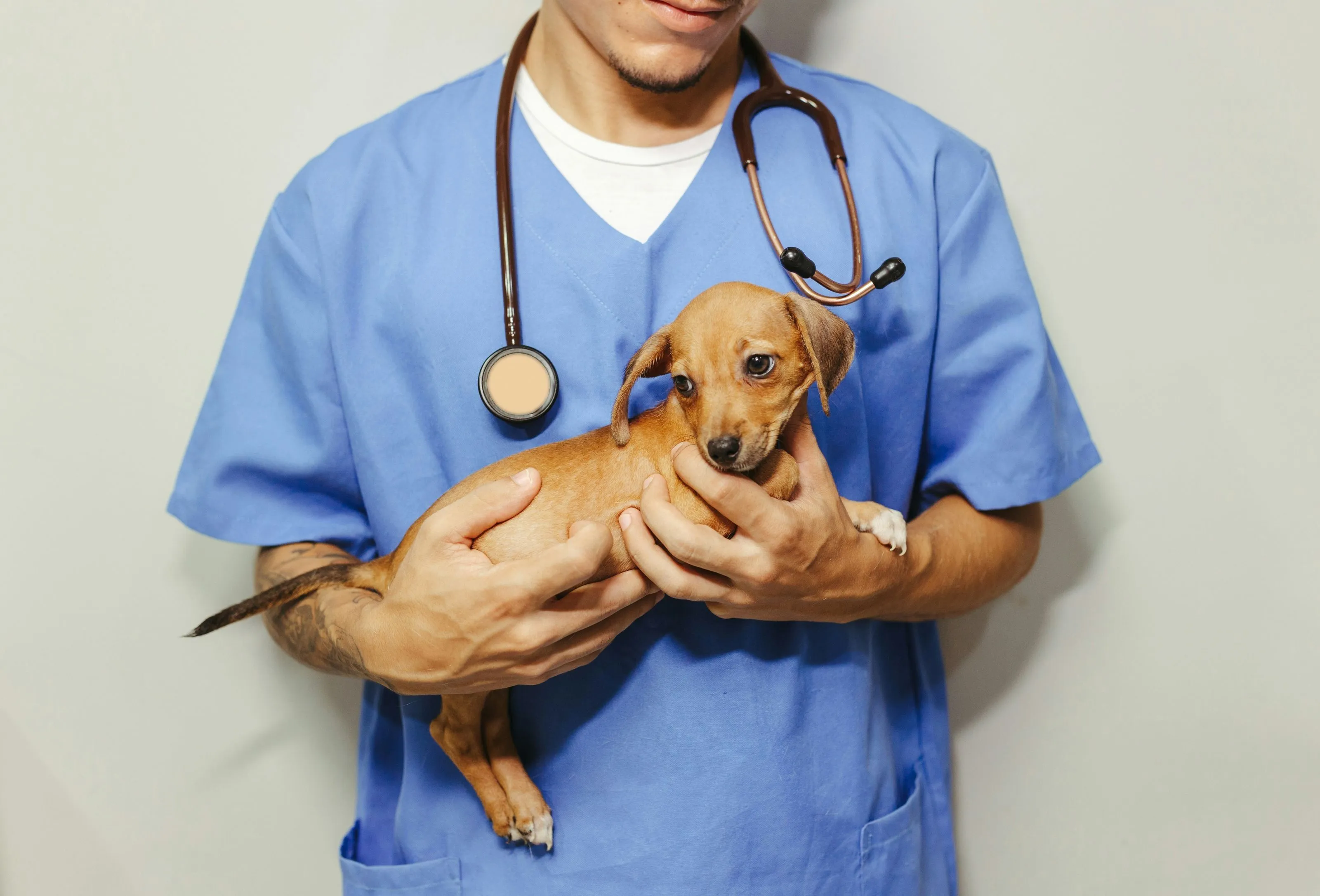
The image of a veterinarian is often one of calm and compassionate care. The reality is a high-pressure environment: long hours, emotionally draining cases, and a mountain of administrative work are taking their toll, leading to extreme outcomes.
A 2019 study by the AVMA found that male veterinarians are 2.1 times and female veterinarians are 3.5 times more likely than the general public to die by suicide.
AI can alleviate the workload by automating repetitive tasks like record-keeping, appointment scheduling, and initial client communication. Freeing up employees from unnecessary administrative burden can give valuable time and mental energy for their main, already excessive work.
The Data Deluge
Modern veterinary practice generates a staggering amount of data: lab results, imaging files (X-rays, CT scans, ultrasounds), patient histories, genetic information, and more. It's impossible for a human to process all of this information for every patient and spot subtle long-term trends.
AI, on the other hand, excels at this and can analyze vast datasets to provide a more holistic view of an animal's health.
Diagnostic Complexity and Subjectivity
Another side of working with data is its interpretation. A radiograph or a pathology slide requires immense skill and experience, but there can still be a degree of subjectivity.
- Was that shadow a tumor or an artifact?
- Is that cell benign or malignant?
AI models are trained on hundreds of thousands of annotated images. That is why they can provide objective data-driven support and highlight areas of concern, acting as a "second opinion" to increase diagnostic confidence.
Rising Client Expectations
Today's pet owners are more informed and have higher expectations than ever before. They want quick answers, detailed explanations, and 24/7 access to support.
It's all possible with AI-powered tools: triage chatbots or automated reminder systems. These can help clinics still meet these demands and not overwhelm their staff.
The Shift from Reactive to Proactive Care
Traditionally, an animal is treated after it shows signs of illness. But the ultimate goal is to predict and prevent disease before it happens. AI makes this possible, too.
The technology analyzes an animal's vitals, behavior, and history to identify early warning signs of conditions, such as kidney disease, diabetes, or arthritis. This way, vets get prepared for earlier intervention and better outcomes.
Operational Inefficiency
Again, running a clinic is running a business, which faces inefficiencies in inventory management, scheduling, and billing. These are the common problems that eat into profits and take focus away from patient care.
AI-driven systems already optimize supply chains, predict appointment no-shows, and streamline the administrative workflow.
So, AI is not a luxury but a necessary tool to build a more sustainable, effective, and humane future for veterinary medicine.
AI Adoption in Veterinary Care

While the market is growing, the adoption of AI in day-to-day veterinary practice is still in its early stages. However, the momentum is undeniable.
Diagnostic Imaging Leads the Way
The most significant adoption has been in radiology, and companies offering AI analysis of X-rays are gaining widespread use. A survey by Digitail, a practice management solution, has revealed AI imaging analysis as the top use of the technology by animal professionals. Automated analysis generates faster interpretations and increased confidence in professional diagnoses.
Practice Management Software (PMS)
Most clinics already use some form of PMS. The next generation of these systems is embedding AI features for scheduling, inventory, voice-to-text, and automated client communications.
A Growing Appetite for Learning
Indeed, direct implementation may still be developing, but the interest is high. The same survey from Digitail shows that over 83% of veterinarians are familiar with AI and its applications. And nearly 70% of professionals use it weekly. The primary barriers cited are accuracy concerns, data privacy, and a need for more education on the available tools.
The Corporate and Academic Push
Unsurprisingly, large veterinary groups and academic institutions are at the forefront of adoption. They have the resources to invest in new technologies and conduct studies to validate their effectiveness. For example, Mars Veterinary Health, which owns thousands of clinics globally, has been a major driver of AI research and implementation, particularly in predictive diagnostics. It's even empowering pet parents with at-home AI monitoring for the most common problems, such as gum disease (found in 80% of dogs).
We can summarize the current state as one of enthusiastic exploration. The early adopters are proving the value of AI, and as the technology becomes more accessible and user-friendly, a wave of mainstream adoption is expected over the next 3-5 years.
AI Use Cases and Applications in Veterinary Medicine
Artificial intelligence is not a single thing but a collection of technologies that can be applied to solve very specific problems in animal care.
Diagnostic Imaging Analysis
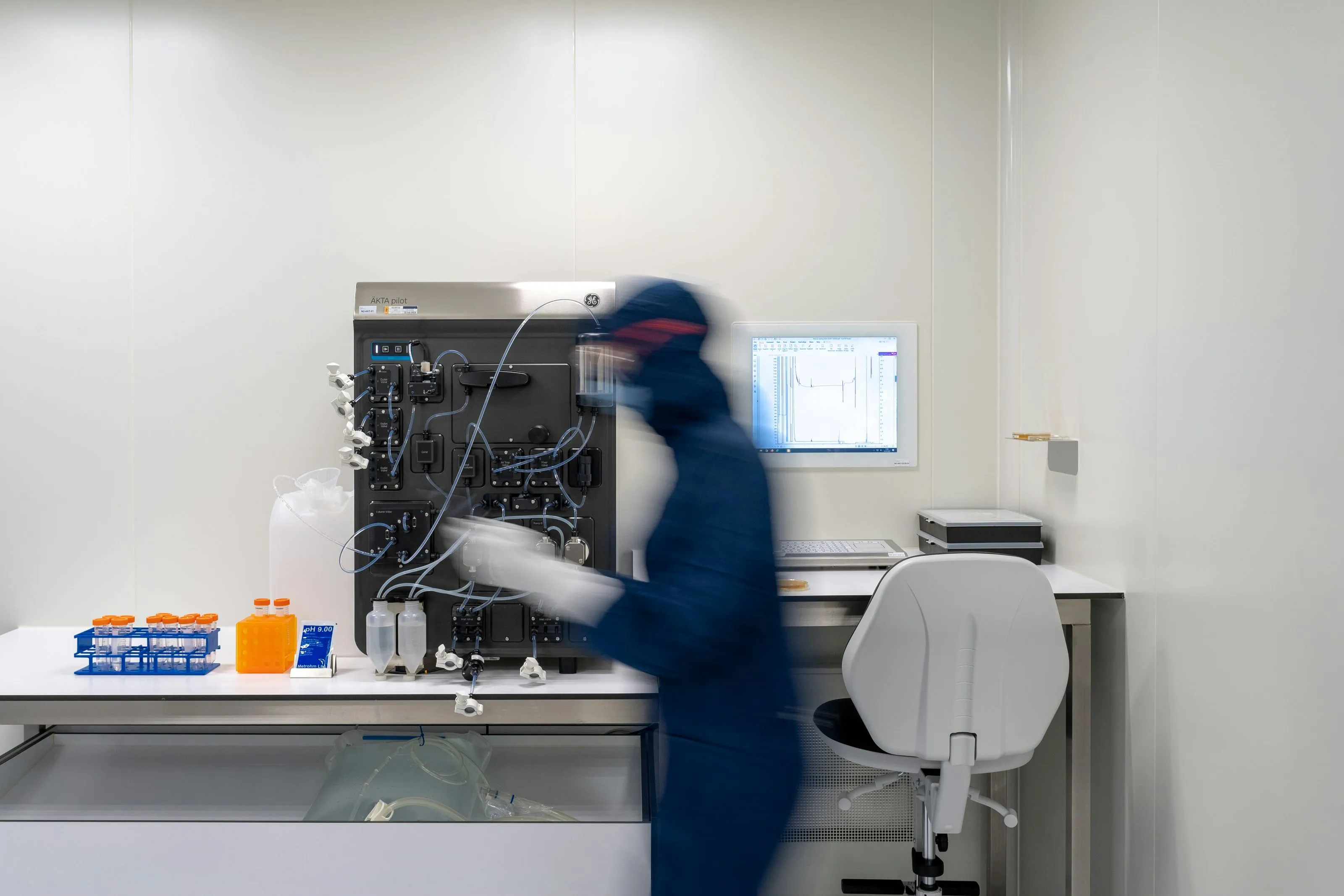
How it works: Machine learning models, particularly deep learning neural networks, are trained on vast libraries of annotated images: X-rays, CT scans, MRIs, or ultrasounds. The AI learns to identify anatomical structures and detect anomalies like fractures, tumors, cardiac enlargement, or signs of arthritis with incredible accuracy.
Example: A vet takes a chest X-ray of a coughing dog. In minutes, an AI platform analyzes the image and returns a report highlighting a suspicious nodule in the lung and measuring the vertebral heart score (VHS). It flags it as outside the normal range for the breed.
Treatment Planning
How it works: AI systems analyze a patient's specific data (genetics, age, breed, weight, concurrent health issues, and lab results) and compare it against massive databases of clinical trial outcomes and treatment protocols.
Example: If there's a cat with chronic kidney disease, an AI tool can suggest an optimal combination of diet, fluid therapy, and medication based on the outcomes of thousands of similar cases. It can predict which approach is most likely to slow disease progression.
Predictive Diagnostics
How it works: AI analyzes streams of data from EHRs, lab results, and wearable sensors over time. It identifies subtle patterns and trends that precede the onset of clinical signs.
Example: An AI system monitoring a dairy herd's data might flag a specific cow whose milk production and activity levels have dropped slightly. It predicts a high probability of mastitis developing in 48 hours, so the farmer can intervene before the infection becomes severe.
Health Monitoring & Wearables
How it works: Wearable sensors track heart rate, respiration, activity levels, scratching, temperature, and sleep quality. AI algorithms on the backend analyze this data for deviations from the animal's baseline.
Example: A pet owner gets an alert on their phone: "Baby's nighttime activity has increased by 40% this week, and their water intake is up. It can be an early sign of kidney issues. We recommend scheduling a check-up."
Integration of AI into Documentation
How it works: Natural language processing tools listen to a vet's conversation with a pet owner during an exam. The AI transcribes the conversation and automatically populates the relevant fields in the Electronic Health Record in the standardized SOAP (Subjective, Objective, Assessment, Plan) format.
Example: After an exam, the vet reviews and approves the AI-generated notes instead of spending 15 or more minutes typing them from scratch.
Virtual Vet Consultations & Triage Chatbots
How it works: A pet owner interacts with an AI chatbot on the clinic's website. They describe their pet's symptoms. The AI, using a decision tree, determines the urgency of the situation and suggests an immediate emergency visit, a standard appointment, or basic home care advice for non-critical issues.
Example: A worried owner at 2 AM types, "My dog ate chocolate." The chatbot asks for the dog's weight, the type of chocolate, and the amount consumed. It instantly calculates the potential toxicity and advises whether an emergency visit is necessary.
Veterinary Robotics
How it works: AI-guided robotic arms assist in surgeries with superhuman precision to minimize tissue damage. Or, automated lab robots process samples (blood, urine) 24/7 with perfect consistency.
Example: In a complex orthopedic surgery, a surgeon guides a robotic arm that makes precise, tremor-free cuts for a better fit of an implant and faster recovery.
Treatment Personalization
How it works: Combining genomic data with clinical history, AI predicts how an individual animal might respond to a particular drug. It identifies potential adverse reactions or suggests a more effective alternative.
Example: Before starting chemotherapy for a dog with lymphoma, a genetic test is run. An AI tool analyzes the results and warns the vet that this dog's genetic makeup puts it at high risk for severe side effects from the standard drug. It then recommends a lower dose or a different medication.
Medication Management & Reminder Systems
How it works: AI-based apps or SMS systems send personalized reminders to pet owners about when to give medication. They include video instructions and ask the owner to confirm the dose was given.
Example: An owner receives a text: "Time for Baby's 5 PM anti-inflammatory pill. Remember to give it with food. Tap here to watch a short video on how to give a pill to a cat."
Animal Behavior Monitoring
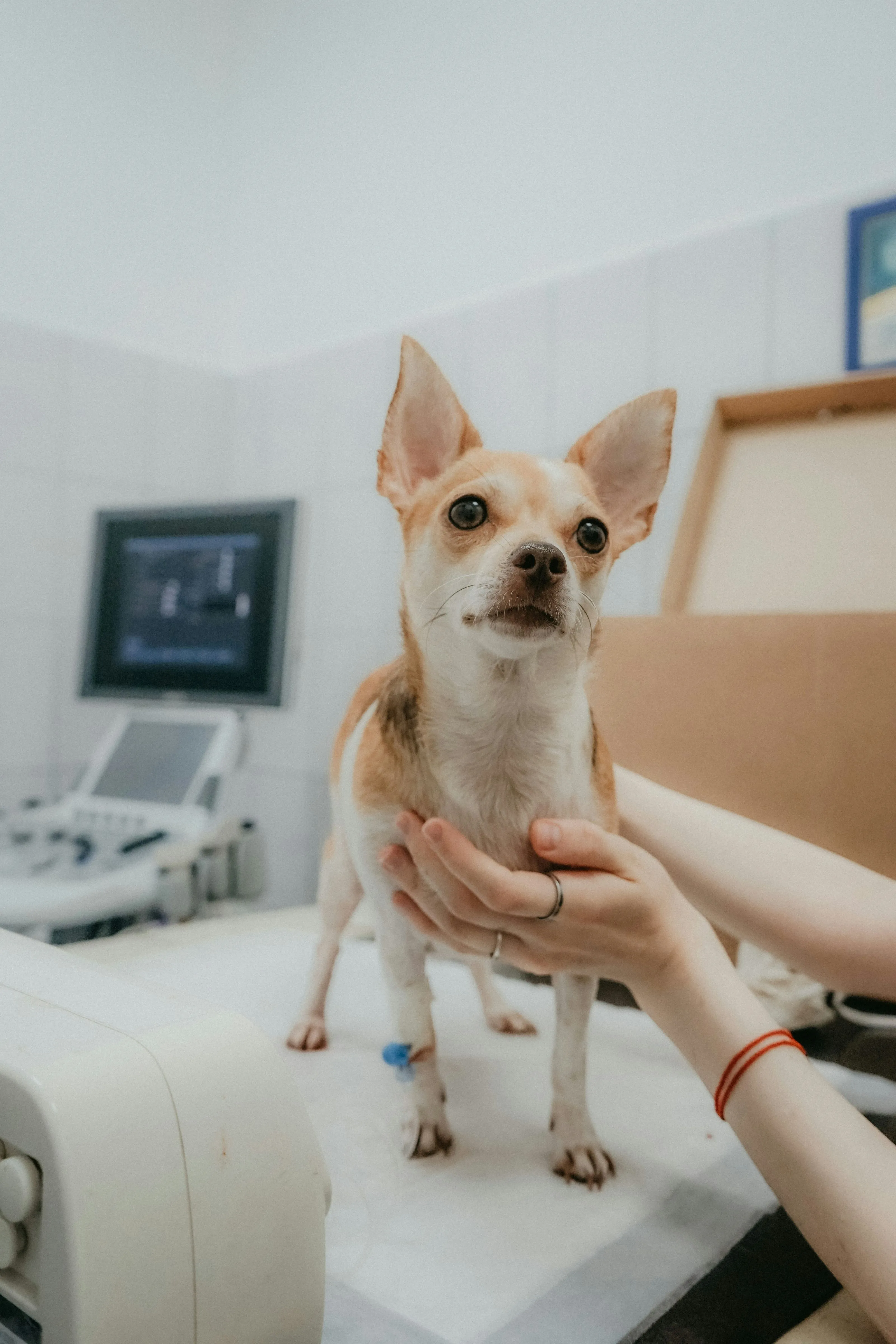
How it works: Cameras in shelters, farms, or homes use computer vision to monitor animal behavior. The AI detects signs of stress (pacing), pain (abnormal posture), or social isolation.
Example: A shelter's AI system alerts staff that a particular dog in Kennel 4 has not engaged in playful behavior for 24 hours. It prompts a welfare check.
Supply Chain Optimization for Clinics
How it works: AI analyzes past consumption rates, seasonal trends (such as flea and tick season), and appointment schedules to predict which medical supplies and drugs will be needed. It automatically places orders to prevent stockouts of critical items and reduce waste from expired products.
Example: The clinic's AI system notes a rise in parvovirus cases in the region and an increase in puppy appointments. It automatically orders more vaccines and testing kits, so the clinic is prepared.
Customer Support Chatbots
How it works: Unlike triage bots, these chatbots handle non-medical queries. They answer questions about clinic hours, pricing for standard procedures, pre-surgery instructions, or directions to the clinic.
Example: A user asks the chatbot, "What are your hours on Saturday?" and gets an instant, accurate answer, freeing up the front desk staff to manage in-person clients only.
AI Use Cases Across Veterinary Sub-Industries
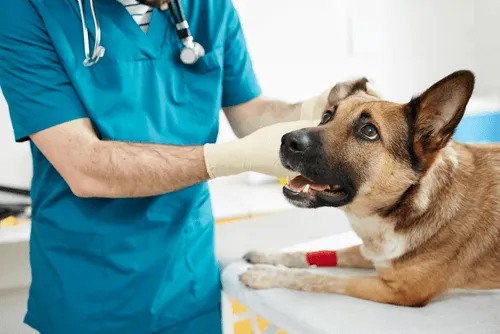
The impact of AI isn't confined to the local vet clinic either. It is changing every corner of the animal health ecosystem.
Veterinary Clinics (Companion Animals)
- Automated Triage: AI chatbots assess symptoms to prioritize urgent cases.
- Radiograph Interpretation: AI highlights potential fractures, dysplasia, and heart abnormalities in seconds.
- Predictive Appointment Scheduling: AI analyzes historical data to predict no-shows and optimize the daily schedule to minimize downtime.
- Automated SOAP Notes: Voice-to-text AI listens to vet-client conversations and drafts clinical notes to reduce administrative time.
- Personalized Client Communication: AI systems send automatic personalized post-visit summaries and medication reminders.
Veterinary Labs & Diagnostics
- Digital Pathology: AI scans digital slides of tissue samples to identify and classify cancerous cells. Thus, it assists pathologists and speeds up biopsy results.
- Fecal Analysis: Computer vision systems identify parasite eggs in microscope images, improving accuracy and throughput.
- Blood Smear Analysis: AI algorithms count and classify red and white blood cells to flag anomalies for review by a technician.
- Predictive Instrument Maintenance: AI monitors lab equipment and predicts when a component is likely to fail, allowing for pre-emptive maintenance and avoiding costly downtime.
Pharmaceuticals & Research
- Drug Discovery: AI analyzes molecular structures and biological data to predict which compounds are most likely to be effective new drugs to accelerate the research phase.
- Clinical Trial Optimization: AI helps identify the best animal candidates for clinical trials and analyzes trial data in real-time to spot trends and potential adverse effects faster.
- Pharmacovigilance: AI systems scan global data sources (vet reports, social media) to detect early signals of previously unknown side effects of approved drugs.
Pet Care & Consumer Products
- Smart Feeders: AI-powered feeders dispense precise portions of food based on an animal's activity level and weight goals.
- Activity Monitors: Smart collars, like Fitbits for pets, use AI to translate activity data into health insights, detecting lethargy or obsessive behaviors.
- AI-Powered Pet Toys: Interactive toys use AI to adapt their behavior to keep a pet engaged and give mental stimulation.
- Symptom Checker Apps: Mobile apps guide pet owners through a series of questions to provide preliminary advice on what to do next.
Shelters & Rescue Organizations
- Behavioral Assessment: AI-powered video analysis helps identify fearful, anxious, or potentially aggressive behaviors in newly arrived animals. Staff can create a safe and effective rehabilitation plan.
- Intake Automation: AI scans and digitizes paperwork from previous owners or shelters. It automatically creates a profile for the new animal.
- Adoption Matching: AI systems match potential adopters' lifestyle and personality profiles with the temperament and needs of available animals to increase the likelihood of a permanent home.
Farms & Livestock (Precision Agriculture)
- Individual Animal Monitoring: Facial recognition and wearable sensors allow AI to monitor the health and welfare of individual cows, pigs, or sheep within a large herd.
- Disease Outbreak Prediction: AI analyzes data from multiple sources (animal behavior, environmental sensors, and regional health reports) to predict the likelihood of a disease outbreak, such as avian flu or swine fever.
- Feed Optimization: AI calculates the optimal feed mixture for different animal groups based on their age, weight, and production goals (like milk or meat), to reduce waste.
- Automated Welfare Checks: Computer vision systems monitor for signs of distress, injury, or lameness. They alert staff to animals that need immediate attention.
Nutrition
- Personalized Diet Formulation: AI analyzes a pet's breed, age, activity level, allergies, and health conditions to formulate a custom diet plan and even a specific food recipe.
- Ingredient Analysis: AI can analyze the nutritional content and quality of raw ingredients used in pet food manufacturing.
- Predicting Food Sensitivities: After analyzing patterns in health records, AI helps predict which animals are at higher risk of developing food allergies or sensitivities.
Remote Care & Telehealth
- AI-Assisted Video Consultations: During a video call, AI helps a vet by analyzing the video stream to measure an animal's respiratory rate or detect skin lesions.
- Asynchronous Consults: A pet owner uploads photos or videos of a non-urgent issue (such as a rash). An AI tool pre-processes the images and highlights areas of concern before the vet even reviews the case.
- Triage Prioritization: AI helps telehealth services manage case flow by sorting incoming requests by urgency.
Veterinary Training & Education
- AI-Powered Simulation: Vet students can practice diagnostic and surgical procedures on hyper-realistic virtual reality simulators that use AI to mimic the physiological responses of a real animal.
- Adaptive Learning Platforms: AI personalizes study materials for students, focusing on subjects where they are struggling and providing targeted quizzes and resources.
Insurance
- Automated Claims Processing: AI reads and understands invoices and medical records submitted for a claim, verifies the treatment, and automates the approval process for standard procedures.
- Risk Assessment & Underwriting: AI analyzes breed-specific health data, geographic location, and other factors to more accurately price insurance premiums.
- Fraud Detection: AI algorithms spot unusual patterns in claims, such as a clinic billing for a high number of rare procedures. It then flags them for human review.
Clear Benefits of AI for Veterinarians
Like in any other industry, adopting artificial intelligence for its own sake and chasing technology won't be of much value. We need to achieve tangible results that make life better for veterinarians, their staff, their clients, and their patients.
More Time for Hands-On Care
With AI, practices can automate up to 80% of administrative tasks, from note-taking to scheduling, and give veterinarians back their most valuable resource: time. This time can be reinvested in patient care, client education, and complex problem-solving.
Reduced Stress and Burnout
Since a significant portion of vet stress comes from administrative overload and the fear of making a mistake, better workflows will become a safety net for diagnostics. AI can create a calmer and more sustainable work environment.
Enhanced Client Communication and Satisfaction
AI tools also ensure clients get fast answers to basic questions, receive timely reminders, and feel more engaged in their pet's care. A well-informed and supported client is a more loyal and compliant client.
Increased Diagnostic Confidence and Accuracy
AI acts as a data-driven second opinion. It helps confirm diagnoses, catches things the human eye might miss, and gives objective data to support clinical judgment. The outcomes are reduced uncertainty and better treatment decisions in less time.
Improved Patient Outcomes
Earlier detection, more personalized treatment plans, and better medication compliance all lead to one thing: healthier animals that live longer and happier lives. AI gives the tools to move from reactive sickness care to proactive wellness management.
Greater Financial Health for the Practice
Optimizing inventory, reducing appointment no-shows, and freeing up staff to perform higher-value tasks directly improve the clinic's bottom line. The organization can continue to invest in the best people and technology.
Industry Success Stories: AI in the Wild
SignalPET
It's one of the pioneers in veterinary radiology AI. Veterinarians upload their radiographs to the SignalPET platform, and in minutes, they receive an AI-generated report that flags potential abnormalities across dozens of common tests. Their SignalSMILE feature for dental X-rays is particularly popular. It provides immediate and objective support to help vets make diagnoses with greater speed and confidence.
IDEXX Laboratories
A giant in the veterinary diagnostics space, IDEXX has integrated AI into its platforms in multiple ways. Their diagnostic tools use machine learning to provide deeper insights from blood and other lab results, flagging subtle patterns that could indicate early-stage disease. Their software also uses AI to optimize clinic workflow.
VetCT
This company combines AI with human expertise. Their platform uses AI to pre-analyze radiology and neurology cases. The AI's findings are then reviewed and refined by a global network of specialist veterinarians. Clinics get rapid access to world-class specialist opinions for much lower cost and less time.
PetPace
This company produces a smart collar with AI to monitor a pet's vital signs (temperature, pulse, respiration, activity, calories) in real-time. The AI analyzes this data stream to detect subtle changes that may indicate pain, illness, or distress. Both the pet owner and their vet can get alerts. It's widely used for post-operative monitoring and managing chronic conditions.
These companies prove that AI is not a futuristic concept. It's a practical tool delivering value to veterinarians and improving animal lives right now.
Challenges and Practical Solutions
Although AI simplifies vets' work in many ways we've just explored, implementing it is not as simple. There are real challenges to adoption, but each has a practical solution.
High Cost of Implementation
The Problem: Custom AI development or purchasing high-end systems can seem prohibitively expensive for a small clinic or startup.
The Solution: Start small and prove the value. Instead of building an all-encompassing AI system, it's better to begin with a low-code prototype or a pilot project solving one high-impact problem, like automating appointment reminders. A positive return on investment from a small project will justify further investment.
Integration with Existing Systems
The Problem: A new AI tool is useless if it doesn't "talk" to your existing PMS, lab equipment, or imaging software.
The Solution: Prioritize solutions built on modern APIs. When working with a developer, the first question should be about their experience with integration. A good partner will design the AI to fit into your existing workflow, not force you to change everything you do.
Lack of Standardized Data
The Problem: AI needs clean and well-structured data. And veterinary records are notoriously varied. Different clinics use different terminology, abbreviations, and formats.
The Solution: This is a long-term industry effort, and every employee should start by improving their own data hygiene. Adopting standardized terminologies, like SNOMED CT for Veterinary, and ensuring consistent data entry are the first steps. For new projects, data cleaning and transformation will be a major part of the development process.
Need for Staff Training and Trust
The Problem: A new tool will likely be met with skepticism or resistance from staff who are comfortable with their current workflows. If they don't trust the AI or know how to use it, it won't be adopted.
The Solution: Involve the team from day one. Choose intuitive and user-friendly tools. The implementation should include comprehensive training that focuses on how the AI will make their jobs easier, not only different.
Regulatory and Legal Uncertainty
The Problem: The laws and regulations around AI in medicine are still evolving. There's uncertainty for practices and businesses.
The Solution: Partner with developers and vendors who are knowledgeable about healthcare regulations (like HIPAA in the US) and prioritize data security and transparency. Stay informed through veterinary associations (like the AVMA or BVA), which are working to shape policy and provide guidance to their members.
What's Next in Veterinary AI?
The field is moving fast. Even if you haven't entered it yet, it's good to see what else is to come. These key trends will shape the future of veterinary AI over the next few years.
Hyper-Personalization of Care
AI will move beyond breed-specific advice to true individualization. Future systems will combine an animal's genetics, microbiome, lifestyle, and real-time sensor data to create adaptive recommendations for diet, exercise, and preventative care.
"One Health" Initiative Integration
The One Health concept recognizes that human health, animal health, and environmental health are interconnected. AI will be crucial in this, analyzing data from veterinary clinics, human hospitals, and environmental sensors to predict zoonotic disease outbreaks. These are diseases that jump from animals to humans. It will be possible to track antimicrobial resistance on a global scale.
The Rise of Generative AI for Client Education
Generative AI, like the technology behind ChatGPT, will be used to create personalized and easy-to-understand educational materials for pet owners. An AI generating a custom discharge sheet for a diabetic cat, complete with a personalized video showing that specific owner how to administer insulin, is not too distant a future.
Explainable AI (XAI) Becomes Standard
As regulators and veterinarians demand more transparency, "black box" AI will become less acceptable. The demand for XAI, systems that can explain why they made a particular recommendation, will grow. This will build trust and allow veterinarians to critically evaluate the AI's output.
Will AI Replace Veterinarians?
The answer is an unequivocal no. AI will not replace veterinarians for the same reason a calculator did not replace mathematicians and a word processor did not replace writers. It is a powerful tool that augments human expertise; it does not replace it.
- AI handles data. Vets handle patients. AI can analyze a thousand X-rays and find a pattern, but it cannot comfort a distressed animal, calm a worried owner, or perform a physical exam.
- AI provides information. Vets provide wisdom. AI can recommend a treatment based on statistical probabilities, but a vet uses their wisdom and experience to decide if that treatment is right for this specific animal in this specific situation, considering the owner's capabilities and financial constraints.
- AI lacks empathy and ethics. The human bond is at the core of veterinary medicine. Empathy, ethical judgment, and communication are skills that machines cannot replicate. A vet's ability to navigate an end-of-life discussion or celebrate a successful recovery is uniquely human.
AI will change the job of a veterinarian, but it will not take it. It will handle the repetitive, data-intensive tasks, freeing up veterinarians to practice at the top of their license: to be diagnosticians, surgeons, communicators, and compassionate caregivers.
The future is not Man vs. Machine; it is Man with Machine
AI is transforming veterinary medicine, but its role is not to replace veterinarians. Instead, it can complement their expertise by handling data-intensive and repetitive tasks, allowing veterinary professionals to focus on what requires human judgment, empathy, and physical interaction.
What AI can do:
- Analyze thousands of medical images, laboratory reports, and patient records in minutes, identifying subtle patterns and anomalies that may be difficult for the human eye to detect.
- Provide instant access to clinical information, support triage, identify potential drug interactions, and help veterinarians make faster, data-driven decisions.
- Automate administrative tasks such as scheduling, billing, inventory management, and clinical note transcription.
- Analyze behavioral and clinical data to forecast disease risks, predict appointment no-shows, and estimate potential recovery trajectories.
- Perform repetitive analytical tasks consistently and without fatigue, helping reduce workload and improve efficiency.
What AI cannot do:
- Physically examine an animal, for example, palpate a swollen joint, listen to a heart murmur, draw blood, administer an injection, or perform surgery.
- Comfort a grieving owner or build the trust and emotional connection that is essential to the relationship between a veterinarian, a pet, and its family.
- Navigate complex quality-of-life conversations or make ethical decisions that depend on human values, empathy, and context.
- Read an owner's body language, understand the atmosphere of an examination room, or respond intuitively to a dynamic and emotionally sensitive situation.
- Reason effectively through a completely novel medical case or improvise when confronted with circumstances outside its training data.
AI can process information, recognize patterns, and automate workflows at remarkable speed. But veterinary medicine is more than data and diagnostics. It requires physical examination, clinical judgment, communication, empathy, and the ability to respond to each animal and family as individuals.
A Healthier Future for Every Animal
The integration of artificial intelligence into veterinary medicine is the most significant technological shift the industry has seen in a generation. It offers a clear path toward a future where:
- Diseases are caught earlier, leading to better prognoses and less suffering.
- Treatments are more personalized and effective.
- Veterinary professionals are less burdened by administrative tasks and more empowered by data-driven insights.
- Pet owners are more engaged and better equipped to care for their animal companions.
The journey is just beginning. There are challenges to navigate and ethical questions to answer, but the potential is immense. AI is a collaborative partner, which we can use to elevate the standard of care, improve the well-being of animals everywhere, and build a more sustainable and rewarding future for the veterinary profession.
The question for your practice or business is no longer if you should consider AI, but how you can start taking advantage of it to build a better future today.