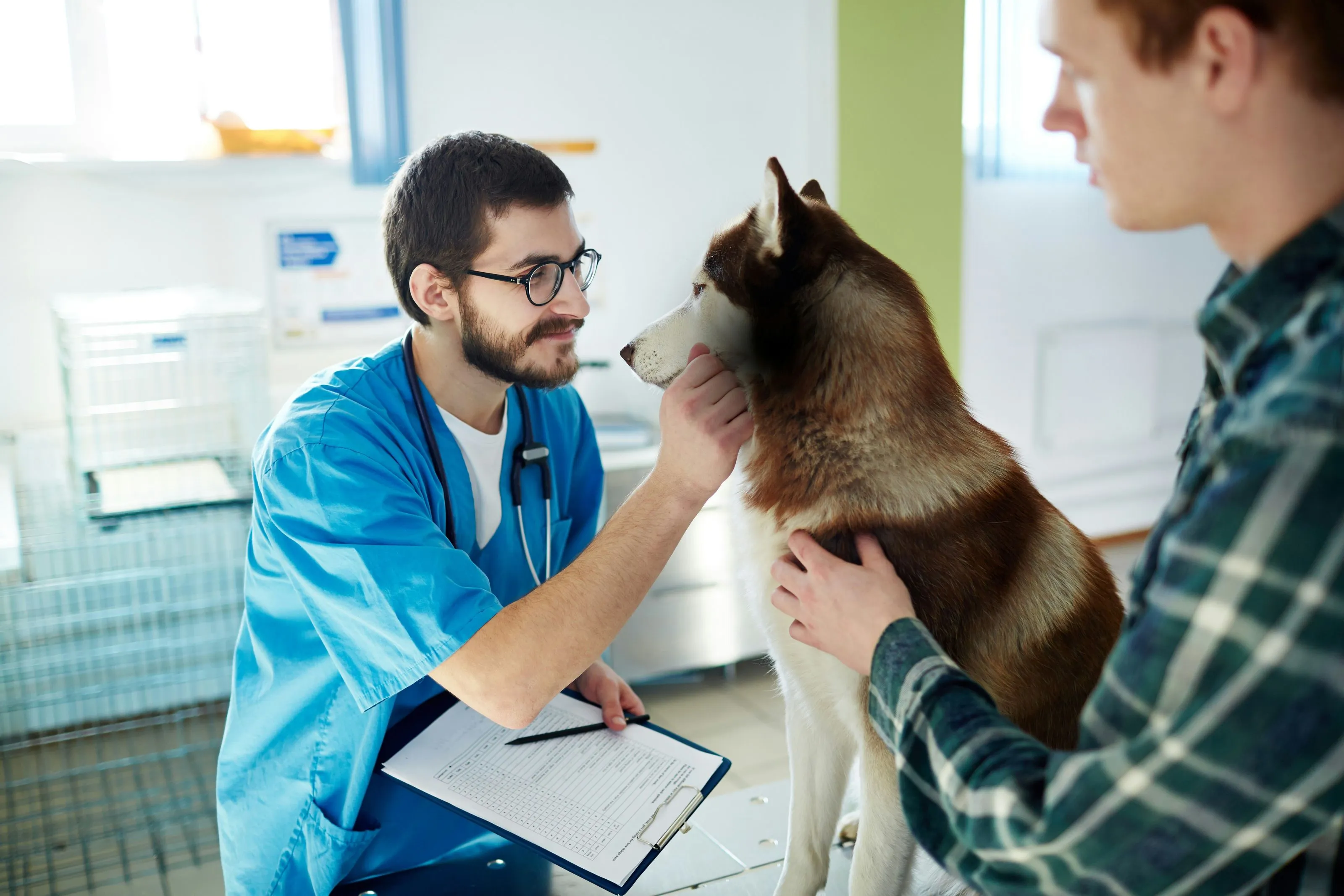


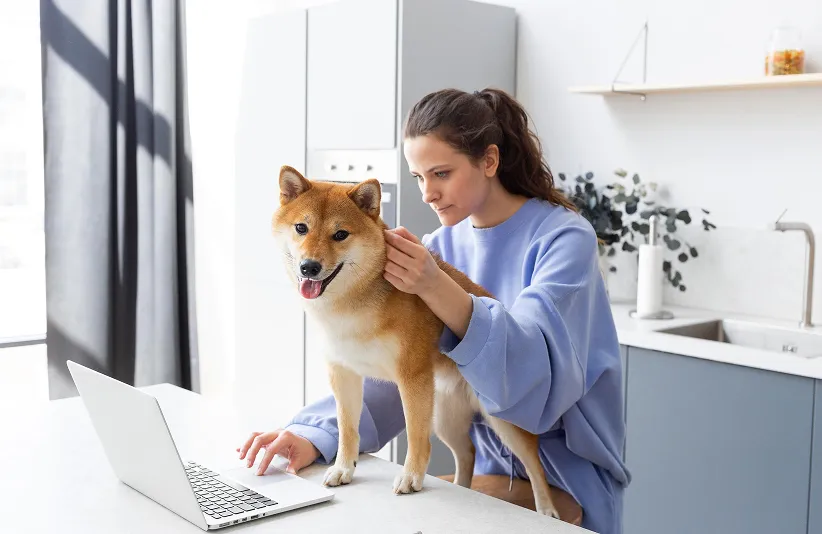
The veterinary industry stands at a technological turning point. With a global pet population now exceeding one billion (GlobalPETS), the demand for accessible, high-quality care has never been greater. Pet owners expect convenience and immediate support, while veterinary professionals face increasing workloads.
- This guide explores the two innovations that define the future of animal health: veterinary telehealth and artificial intelligence. Learn how these technologies work together to solve today's most pressing challenges.
- We will provide the data, use cases, and expert insights you need to navigate this new landscape and build a more efficient, intelligent, and compassionate practice.
Glossary
The scope of digital technology for pet care is already quite wide and versatile. Let's first introduce you to some general terms you might meet when exploring the area.
Veterinary Telehealth
The overarching term for using technology to provide remote animal health care services. Telehealth for pets includes telemedicine, client education, and other communications.
Veterinarian-client-patient relationship (VCPR)
A medical and legal requirement in most regions. It exists when a veterinarian has assumed responsibility for a pet's health, and the client has agreed to follow the vet's instructions. The rules for establishing a VCPR (in-person vs. remotely) vary by location.
Telemedicine
A subcategory of telehealth. Telemedicine in veterinary medicine is the practice of medicine using technology to deliver care from a distance, including diagnosis and treatment plans.
Teletriage
The safe and remote assessment of a patient to determine the urgency and need for an in-person visit with a veterinarian.
Teleconsultation
A remote consultation between a primary care veterinarian and a specialist to discuss a specific case.
Artificial Intelligence (AI)
Computer systems that perform tasks that normally require human intelligence. In veterinary medicine, the most common AI use cases are image analysis, pattern recognition, and data processing.
Machine Learning (ML)
A subset of AI where algorithms learn from data to make predictions or decisions without being explicitly programmed for the task.
Computer Vision
An AI field that trains computers to interpret and understand information from digital images and videos, such as radiographs or microscope slides.
Why Does Telehealth Matter and Are Virtual Vet Visits Worth It?
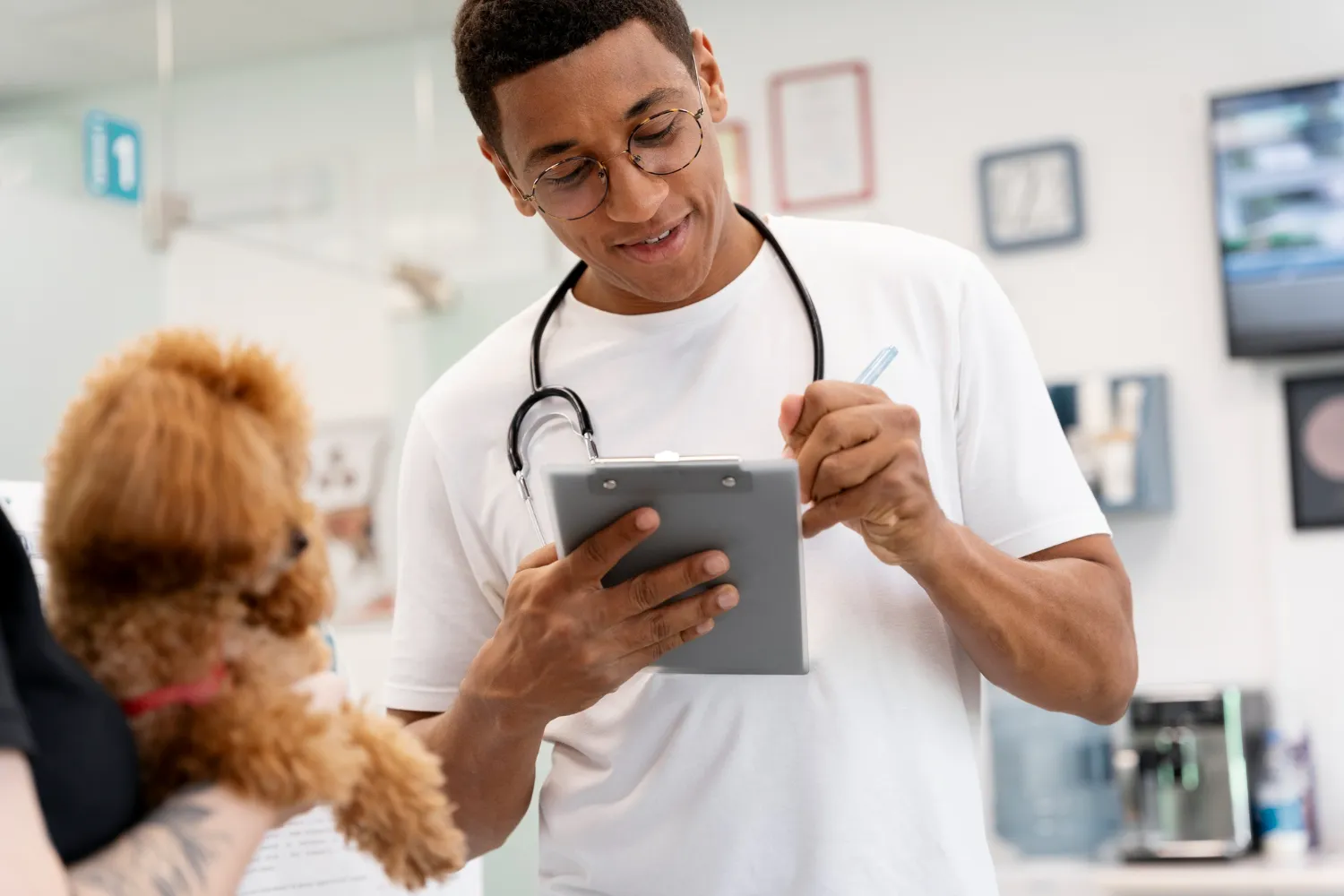
There is no simple, one-size-fits-all answer. Telehealth for pets is not a replacement for in-person care, but a powerful extension of it. It matters because it resolves critical issues for everyone involved:
For Clinics
It increases patient capacity without physical expansion, creates new revenue opportunities, and improves client retention through convenience.
For Veterinarians
It offers flexible work options, reduces burnout from travel and late-night emergencies, and allows them to focus on cases that truly require hands-on attention.
For Pet Owners
It provides immediate access to expert advice, removes the stress and logistics of travel (especially for anxious pets), and is often more affordable for follow-ups and minor concerns.
How Does Veterinary Telemedicine Work?
Veterinary telemedicine connects pet owners with veterinarians through a simple digital process:
- Booking. A pet owner requests a virtual consultation through a web portal or mobile application, providing initial information and photos.
- Connection. At the scheduled time, the owner and veterinarian connect via a secure live video call.
- Assessment. The veterinarian observes the pet's behavior and condition, guided by the owner. The owner describes the symptoms and history.
- Guidance. Based on the assessment, the veterinarian provides medical advice, a diagnosis (where a VCPR exists), a treatment plan, or recommends an immediate in-person visit for emergencies.
- Follow-up. Digital records of the consultation are created. If legally permitted, prescriptions can be sent to a pharmacy. The platform can also schedule follow-up appointments.
Key Statistics: Telehealth Adoption in Veterinary Practice

Veterinary Telemedicine Market Trends
According to Grand View Research, The global veterinary telehealth market size was estimated at USD 365.2 million in 2025 and is projected to reach USD 1,680.7 million by 2033. This rapid growth is driven by rising pet ownership, the “humanization” of pets (treating them as family), and a desire for more convenient care options.
Global Veterinary Telemedicine Market by Region
Based on the regional distribution of the veterinary medicine market, North America holds the largest market share at 39%, followed by Europe at 28% and Asia-Pacific at 24%. This indicates that North America remains the dominant market, supported by high pet ownership, advanced veterinary healthcare infrastructure, and strong spending on animal health.
Asia-Pacific, with a 24% share, represents an important and potentially high-growth market, driven by increasing pet ownership, livestock production, and adoption of modern veterinary healthcare. Europe also maintains a strong position, while the Rest of the World accounts for 9%, indicating comparatively smaller but emerging opportunities.
Telehealth Market by Service Type
Based on the 2025 market data, the teleconsulting segment held the largest share at 36.4%, highlighting the growing importance of remote veterinary services.
As for animal type, the canine segment held the highest market share in 2025 and the feline segment is anticipated to grow.
Telehealth Adoption by Region
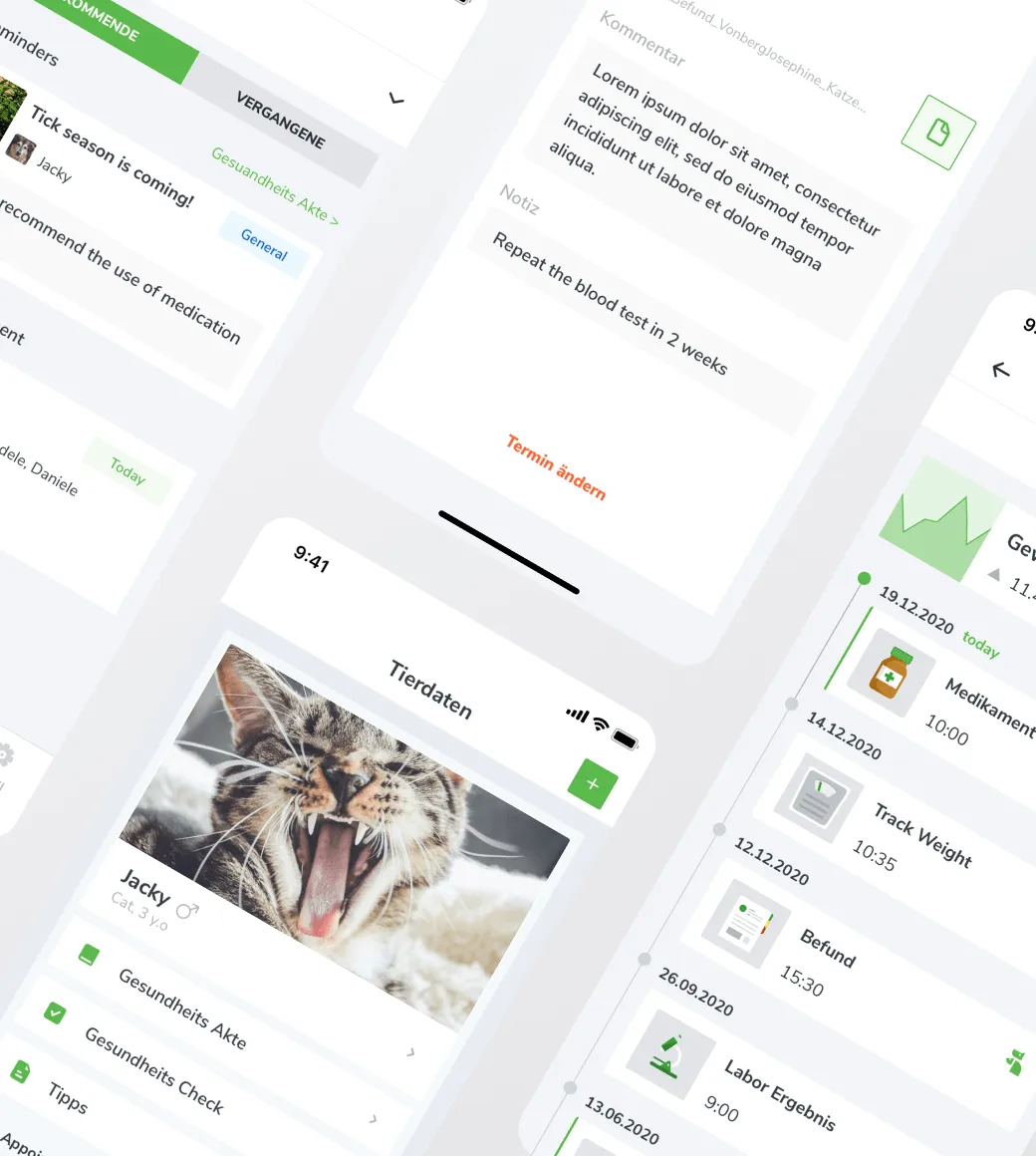
While the market is growing, the adoption of telehealth in day-to-day veterinary practice is still developing across regions. However, the momentum is undeniable.
United States
The US leads the world, making up the largest portion of the global veterinary telemedicine market. By early 2023, about 30% of American veterinarians were offering some form of telehealth, including video calls, phone advice, and text messaging. (NY Times)
One of the most common uses is teletriage to assess the urgency of a situation, post-operative follow-ups (e.g., sending a photo of an incision), managing chronic conditions like diabetes, and providing behavioral consultations.
Canada
The Canadian veterinary telehealth market is a growing sector, with an expected revenue of a projected revenue of US$ 98.7 million by 2033. A compound annual growth rate of 21.8% is projected of Canada veterinary telehealth market from 2026 to 2033.
Within the market, teleconsulting was the largest revenue-generating segment, while teleradiology is expected to be the fastest-growing segment during the forecast period.
Similar to the US, the use cases for veterinary telehealth in Canada are diverse, including teleconsulting for general health advice, teletriage for urgent situations, and teleradiology for remote image analysis.
However, the regulatory landscape is a key factor influencing adoption. The rules regarding the establishment of a veterinarian-client-patient relationship and the ability to prescribe medications remotely vary by province and are determined by each provincial and territorial regulatory body.
United Kingdom
The use of telehealth is increasing rapidly. A major driver was a 2023 rule change that made it easier for vets to prescribe medications remotely (Vet Help Direct). Even before this, over half of UK vet practices were already offering remote services in 2021.
UK pet owners show interest, with some surveys indicating up to 25% of pet owners who never used telehealth are willing to use a virtual vet service.
Remote prescribing is a significant and growing trend. Subscription-based services that offer unlimited 24/7 video consultations for a monthly fee are also very popular, bundled with pet insurance policies for convenient, round-the-clock advice.
Europe
As a whole, Europe is the second-largest market for veterinary telehealth. Adoption is not uniform across the continent, with countries like Sweden (a 300% increase in the last 7 years, according to Grand View Research) and Germany (a threefold increase) being early leaders with well-established platforms. The market is expected to continue its strong growth as more countries modernize their regulations.
In Scandinavia, a digital-first model is common, where a video call is the standard first step for non-emergencies. Using telehealth for specialist consultations (connecting general vets with specialists for advice on complex cases) is also a growing trend that improves access to care in rural areas.
Pet Owner Behavior and Satisfaction
Research shows that over 50% of pet owners who had experience with telemedicine for their pets were very satisfied with the sessions. (PMC) About 63% of pet owners reported that the tele-sessions were very helpful for overcoming transportation or cost barriers, showing how telehealth increases access to care.
According to other studies, owners found that telehealth saved them an average of 50 minutes in travel time. (PMC) Some also reported that their pets were less anxious or nervous during virtual consultations compared to in-clinic visits. (Applied Animal Behaviour Science)
Benefits for Veterinary Practices
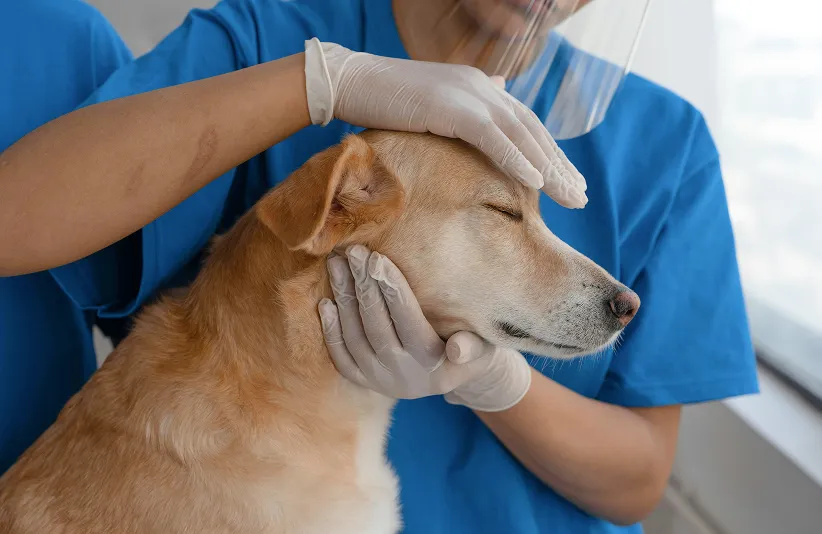
Telehealth services can help clinics manage their workload more efficiently. Veterinarians who use telehealth reported that 72% of their virtual appointments took the same amount of time or less than in-person ones. (Veterinary Evidence)
Offering telehealth for pets can also reduce no-show rates and help practices retain more clients. The convenience of virtual visits makes it easier for pet owners to keep their appointments.
Supporting Data and Context
- Global pet population. The U.S. pet market reached $158 billion in 2025 according to the American Pet Products Association, marking a 3.7% increase from the previous year.
- AI in healthcare market. The global AI in animal health market size was valued at USD 1.8 billion in 2025 and is projected to grow from USD 2.1 billion in 2026 to USD 7.0 billion by 2033
- Pet obesity rates. A 2022 survey from the Association of Pet Obesity Prevalence found that in the U.S., over 59% of dogs and 61% of cats were either overweight or obese.
- Livestock disease prevalence. A 2024 research study revealed the prevalence of Foot-and-mouth Disease in Algeria was recorded at 34.5% between 2014 and 2022, with some regions as high as 91.6%.
- Bird flu in cows. In April 2024, comprehensive cow milk testing in the U.S. showed that 30% to 40% of samples tested positive for H5N1 (Bird Flu).
- Cattle population. As of January 2024, there were more than 94.26 million cattle globally. India holds the largest bovine population at over 307.5 million, accounting for 33% of the world's inventory.
- Pet insurance. In Italy, nearly 29% of pet owners chose pet insurance in 2023, up from 20.4% in 2022.
These statistics confirm that telehealth in veterinary practice is not a passing trend but a rapidly expanding and integral part of the industry. Driven by a global veterinary telemedicine market projected to nearly triple by 2030, its growth is fueled by increasing pet ownership, the “humanization” of animals, and a desire for convenient and accessible care.
As regulatory bodies adapt and new technologies like AI and IoT are integrated, telehealth is poised to become a more essential tool for addressing challenges like vet shortages and managing the health of both companion animals and livestock on a global scale.
Telehealth Use Cases & Applications

Telehealth makes it possible for vets to help pets and their owners from a distance. This means less stress on the animal, more convenience for the owner, and more efficient use of a vet's time. Here are some of the most common ways telehealth is used.
After-Hours Triage
What it is: A vet can help an owner figure out if their pet's problem is a true emergency that needs an immediate visit to a clinic.
How it works:
- A pet owner might use a video chat on their phone.
- They show the vet a sick pet.
- The vet can see the pet's breathing, how it walks, or where it might be hurt.
- Based on what they see, the vet gives advice. For example, they might say, “That limp does not look serious. Give it a rest and call us in the morning if it gets worse.”
- This saves a late-night trip to an emergency room for a non-urgent issue.
Technology used: Secure video platforms, mobile apps with chat and video features, and AI-powered symptom checkers.
How AI enhances this: An AI chatbot or a virtual assistant can be the first point of contact. The owner tells the bot about the symptoms; the bot then asks a set of specific questions, like a vet would, to collect key information. It can then tell the owner that, based on the description, this is likely not an emergency but they should still talk to a vet soon. In this scenario, AI helps filter cases and lets the vet focus on more serious situations. The AI can also analyze images of a pet's eyes or skin to give a primary analysis and help determine if a professional consultation is needed.
Post-Operative Follow-ups
What it is: Vets check on a pet's recovery after surgery without an in-person visit.
How it works:
- An owner sends the vet pictures of the surgical wound every day.
- The vet can see if the incision looks red or if there is swelling. This helps the vet spot problems early.
- The vet can give advice like, “It looks like the wound is healing well. Just keep watching it, and make sure your pet does not chew it.”
- This saves the pet from a stressful car ride and a trip to the vet's office.
Technology used: A secure platform that lets owners share photos and videos, and a messaging system for quick check-ins.
How AI enhances this: An AI system can analyze photos of a surgical site and can be trained on thousands of images of healthy and infected wounds. It can flag images that show signs of infection, such as excess redness or swelling, and automatically alert the vet to take a closer look. This means vets do not have to review every photo daily, saving them time and making sure they spot potential problems faster.
Chronic Disease Management
What it is: Vets and owners manage long-term health issues in pets through regular, remote check-ins.
How it works:
- A pet with diabetes needs regular checks on its blood sugar.
- The owner can use a small device at home to test the pet's blood.
- Then, they send the readings to the vet through an app.
- The vet reviews the data and lets the owner know if they should change the pet's medication or diet.
- This makes it easier for the owner to manage their pet's condition and keeps the pet healthier over time.
Technology used: Wearable devices for pets that track health data, mobile apps for sharing information, and integrated electronic health records (EHRs).
How AI enhances this: Wearable devices and smart feeders can collect real-time data on a pet's health, such as activity level, heart rate, and weight. AI can then analyze this large amount of data to spot patterns or trends that a human might miss. For example, if a pet's activity level drops over several days, the AI can alert the vet, suggesting a possible problem. The vet can act before the small problem becomes a big one.
Behavioral Consultations
What it is: A vet helps with a pet's behavior problems by seeing the pet in its own home.
How it works:
- An owner has a dog with separation anxiety.
- They use a video call with a vet.
- The vet sees the dog's behavior in its natural setting, not in a new and strange clinic.
- The vet can watch how the dog acts and give specific tips. For example, the vet might say, “Try giving them their favorite toy right before you leave. That helps them focus on something else.”
Technology used: Video chat platforms like Zoom or a clinic's own secure video system.
How AI enhances this: AI-powered cameras and smart devices can track a pet's behavior all the time. For example, a camera might notice that a dog paces back and forth whenever the owner is not home. The AI can count the number of times this happens and send a report to the vet. The vet gets detailed and objective data, which is more helpful than a general description from the owner. AI is also being developed to analyze pet vocalizations and facial expressions to help vets understand a pet's emotional state better.
Nutritional Counseling
What it is: A vet helps an owner create or change a pet's diet plan remotely.
How it works:
- An owner wants to help their overweight cat. They schedule a video call with a vet who specializes in pet nutrition.
- The owner shows the vet what they feed the cat and how much.
- The vet gives advice on what food to switch to and how much to give it.
- They can make a custom plan and check in weekly to see how the cat is doing.
Technology used: Video calls and apps that allow for easy sharing of food logs and weight tracking.
How AI enhances this: An AI can create a highly personalized diet plan. The owner enters data like the pet's age, weight, breed, and health conditions into an app; the AI looks at a large database of pet foods and nutritional science to suggest the best diet. It can even predict potential health issues related to nutrition, such as diabetes or nutrient deficiencies, and recommend a diet to prevent them.
Dermatology
What it is: Vets check skin problems, rashes, and allergies that are easy to see without physical touch.
How it works:
- A dog has a strange red rash on its stomach.
- The owner takes a clear picture and sends it to the vet through the clinic's app.
- The vet looks at the image and sees the rash. They tell the owner, “That looks like an allergic reaction. Try a special shampoo and an over-the-counter medicine. If it does not get better, come in for a visit.”
- This saves time and money for the owner.
Technology used: High-quality photo and video sharing through a secure messaging system.
How AI enhances this: AI-powered image analysis tools can help vets in the same way they help post-op care. The owner sends a picture of the skin condition, and the AI immediately scans it for common issues like yeast, bacteria, or inflammation. It can help the vet get a faster and more accurate diagnosis. The vet can quickly give a treatment plan, and also get help with documentation from automatic identification and flagging of key findings in the images.
Palliative and Hospice Care
What it is: Vets give compassionate support for pets in their final stages of life.
How it works:
- An owner has a very old dog with a lot of pain. It is hard and stressful to take the dog to the clinic.
- The vet can do a video call to check on the dog's comfort level.
- The vet talks to the owner and adjusts pain medicine dosages.
- They offer support and help the owner make the best decisions for their pet's final days in a familiar and calm environment.
Technology used: Secure video calls and a reliable messaging system for quick support.
How AI enhances this: AI tools can track a pet's quality of life with wearable sensors, which measure a pet's movement, sleep patterns, and other vital signs. Then, algorithms can analyze this data to give the vet a clear picture of the pet's comfort level. If a pet's activity drops significantly, the AI can send an alert, letting the vet and owner know that a change in pain medicine or a new care plan may be needed. The vet receives objective data to support the owner's subjective observations.
Specialist Consultations and Vet-to-Vet Help
What it is: A general vet gets help from an expert who works in another place. This can be in the form of teleradiology, telecytology, and other specific areas that might not be available at the offline site.
How it works:
- A vet takes an X-ray of a pet's broken leg. The vet can send the digital X-ray file to a specialist vet, a radiologist, who is in a different city.
- The radiologist reviews the image and sends back a detailed report with an opinion.
- This helps the local vet give the best possible care without needing the pet to travel to see the specialist.
- This also works for other types of tests, like blood samples or tissue biopsies.
Technology used: Secure systems for sending large digital files (like X-rays or ultrasounds), also known as PACS (Picture Archiving and Communication Systems), and cloud-based platforms for review.
How AI enhances this: AI can read and analyze the X-ray or ultrasound image before the specialist sees it. It can be trained on a massive number of images to spot small details a person might miss. Then, it can flag areas of concern, such as a subtle fracture or a possible tumor, and give the specialist a report. This helps the specialist work faster and more accurately. Any general practice vet can get a fast first opinion on the images, which can help them decide on the next steps for the pet.
Benefits of AI and Telehealth in Veterinary Care
For Pet Owners
- Improved Access to Care: immediate support, especially for pet owners in rural and underserved areas.
- Reduced Pet Stress: help avoid travel and waiting room anxiety.
- Cost-Effective: lower costs for consultations that do not require a physical exam.
- Greater Convenience: manage pet health from anywhere, anytime.
For Veterinarians
- Enhanced Diagnostic Power: AI as a “second opinion” for complex cases.
- Better Work-Life Balance: flexibility of remote work reduces burnout.
- Focus on High-Value Work: less time on administration, more on medicine.
- Easier Collaboration: seamlessly consult with specialists on complex cases.
For Clinics & Hospitals
- Increased Efficiency: automate tasks and optimize appointment flow.
- New Revenue Streams: monetize after-hours triage and virtual follow-ups.
- Competitive Advantage: attract and retain modern clients who expect digital options.
- Improved Patient Outcomes: better monitoring and compliance lead to healthier pets.
Telehealth + AI
Imagine a telehealth consultation where an AI is working backstage:
- As the pet owner describes symptoms, an NLP tool transcribes the conversation and highlights key terms.
- When the owner shows a skin lesion on video, an AI-powered computer vision tool analyzes the image and provides the veterinarian with a list of potential differential diagnoses.
This is not science fiction; it is the next generation of veterinary telehealth.
Get Inspired by Industry-Famous Pet Care Companies & Startups
Vetster
Who & when: Co-founded by Mark Bordo and Regan Johnson in 2020 as a veterinary telehealth marketplace.
How: This company connects pet owners with thousands of licensed vets for on-demand online appointments, which became vital during the pandemic.
Key features: Vetster offers 24/7 video, text, and voice chat appointments and can provide prescriptions sent to a local pharmacy.
Reviews: Customers love the convenience of getting expert help without the stress of an in-person visit.
Dutch
Who & when: Co-founded in 2021 by Carlos Moreno and Joe Spector, with a focus on treating chronic conditions like anxiety and allergies.
How: Dutch provides virtual vet visits via Zoom and personalized treatment plan development that includes prescriptions and over-the-counter treatments delivered to your door.
Key features: They offer a blend of virtual care with free prescription delivery and an optional $10,000 emergency insurance coverage.
Reviews: Users appreciate the convenience and affordability, but some have reported issues with customer service.
Pawp
Who & when: Founded in 2019 by Andrew Malek, Cody Simons, and Marc Atiyeh, who saw a need for accessible pet health advice.
How: Pawp was established as a digital pet health clinic offering 24/7 access to vets via video and text.
Key features: Their most unique feature is a $3,000 annual emergency fund that can be used for a pet's emergency expenses.
Reviews: Customers call Pawp a game-changer for the peace of mind it provides and its ability to help them avoid unnecessary emergency vet trips.
Vet-AI
Who & when: A UK-based company founded in 2017 by tech expert Paul Hallett and veterinarian Robert Dawson.
How: The company created the AI-powered triage app, Joii Pet Care, which helps pet owners determine the best course of action for their pet's symptoms.
Key features: The app offers a free symptom checker and provides access to video consultations with UK-registered vets for a flat fee.
Reviews: Users praise the app for its convenience and the professional, helpful advice they receive from vets.
SignalPET
Who & when: Founded in 2018 by veterinarian Dr. Neil Shaw.
How: SignalPET was created to provide a consistent and objective “second set of eyes” for veterinarians by using AI to analyze X-rays.
Key features: The service offers rapid, standardized interpretations of X-rays with results available in minutes, so vets can make faster and more accurate diagnoses.
Reviews: Users praise the app for its rapid, objective imaging support.
Challenges and Solutions in Telehealth Veterinary Medicine
While artificial intelligence and telehealth are powerful technologies, successful adoption requires addressing key challenges.
Challenge: The complex and varied legal landscape of the VCPR.
Solution: Develop geo-aware software that automatically adjusts its features and disclaimers based on the user's location to ensure compliance.
Challenge: The inability to perform a hands-on physical exam.
Solution: Integrate data from remote monitoring devices (wearables) and develop protocols to train pet owners to perform guided assessments, such as checking capillary refill time.
Challenge: Ensuring data privacy and security for sensitive patient information.
Solution: Collaborate with teams who build platforms using end-to-end encryption, secure cloud infrastructure, and strict access controls. Consult PetTech experts on how to adhere to VCPR standards.
Challenge: Potential for AI algorithms to have biases based on their training data.
Solution: Use large and diverse datasets for AI model training and partner with AI vendors who prioritize transparency, have pet care expertise, and provide explainable AI (XAI) that shows how a conclusion was reached.
Future Trends in PetTech
Hyper-Personalization
Care will move beyond breed-specific advice. AI will generate wellness and nutrition plans based on an individual pet's genetic markers, activity level from wearables, and microbiome data.
The Connected Pet Ecosystem
Seamless integration between smart feeders, litter boxes, activity monitors, and the veterinary clinic's EMR. Your vet will know about a change in your cat's weight before you do.
Generative AI for Client Communication
Likely, by 2026, generative AI (like GPT-4 and beyond) will be used to draft personalized post-visit summaries, answer common client questions, and create educational content to save hours of administrative time. The generative AI adoption and investments in its development in the workplace grow, and medical institutions are among the first to lead the trend. (McKinsey)
Veterinary Internet of Things (IoVT)
Biosensors in collars, patches, or even implants will provide a continuous stream of vitals, enabling true preventative care and real-time monitoring of chronic conditions.
Will AI in Telehealth Veterinary Medicine Replace Professionals?
No. AI will augment veterinarians, not replace them. Technology is a tool. It can process data and recognize patterns with incredible speed and accuracy, but it lacks the critical thinking, empathy, and hands-on skill of a trained veterinarian.
AI will handle the data-heavy tasks, freeing veterinarians to do what they do best: build relationships with clients, perform complex procedures, and make the final, nuanced decisions about a patient's care.
Conclusion
Telehealth is currently powered by all types of tech, including AI, which don't compete with each other but make a complementary force that is reshaping veterinary medicine. Together, technology and expertise create a system of care that is more accessible, efficient, and intelligent than ever before.
For veterinary clinics, embracing new tools means enhancing your diagnostic capabilities, improving your operational workflow, and delivering a standard of care that meets the high expectations of the modern, remote, and mobile-first pet owner.