
Demand sensing
Re-forecasts at product and location level from orders, point-of-sale data and promotions, and flags bias in the current plan. Needs ERP sales history, the planning system and EDI feeds.
Supply chain pressure is back above average, buffers are thinner and most companies have little visibility past their first-tier suppliers. Three quarters of companies are planning or piloting AI, yet only one in five runs it at scale. Here is what the 2026 data says and where AI pays off from planning to returns.

The New York Fed's Global Supply Chain Pressure Index combines global shipping and airfreight costs with supplier delivery, backlog and stock indicators from manufacturing surveys in seven economies. After two calm years, it jumped in April 2026 and has stayed above its long-run average since.
Zero is the long-run average. Quarterly points from the monthly series, as published in November 2026; the New York Fed revises values over time.
| Jan '24 | -0.3 |
|---|---|
| Apr '24 | -1 |
| Jul '24 | -0.1 |
| Oct '24 | -0.4 |
| Jan '25 | -0.2 |
| Apr '25 | -0.3 |
| Jul '25 | 0 |
| Oct '25 | -0.1 |
| Jan '26 | 0.4 |
| Apr '26 | 1.8 |
| Jul '26 | 1 |
| Oct '26 | 1.3 |
Companies hold less stock relative to sales than two years ago: the US inventories-to-sales ratio fell from 1.45 in mid-2024 to 1.33 in August 2026. At the same time, 15.1% of US manufacturers and 16.7% of wholesalers told the Census Bureau that supplier delivery times had increased. Thinner buffers and slower deliveries make every forecast error more expensive.
Tariffs added noise. In McKinsey's 2025 supply chain risk survey, 82% of companies said new tariffs affect their supply chains, and 45% of those were building inventory to cope.
AI helps first with that routine work: reading signals and documents faster than people can, flagging what changed and preparing the decision for a planner or buyer.
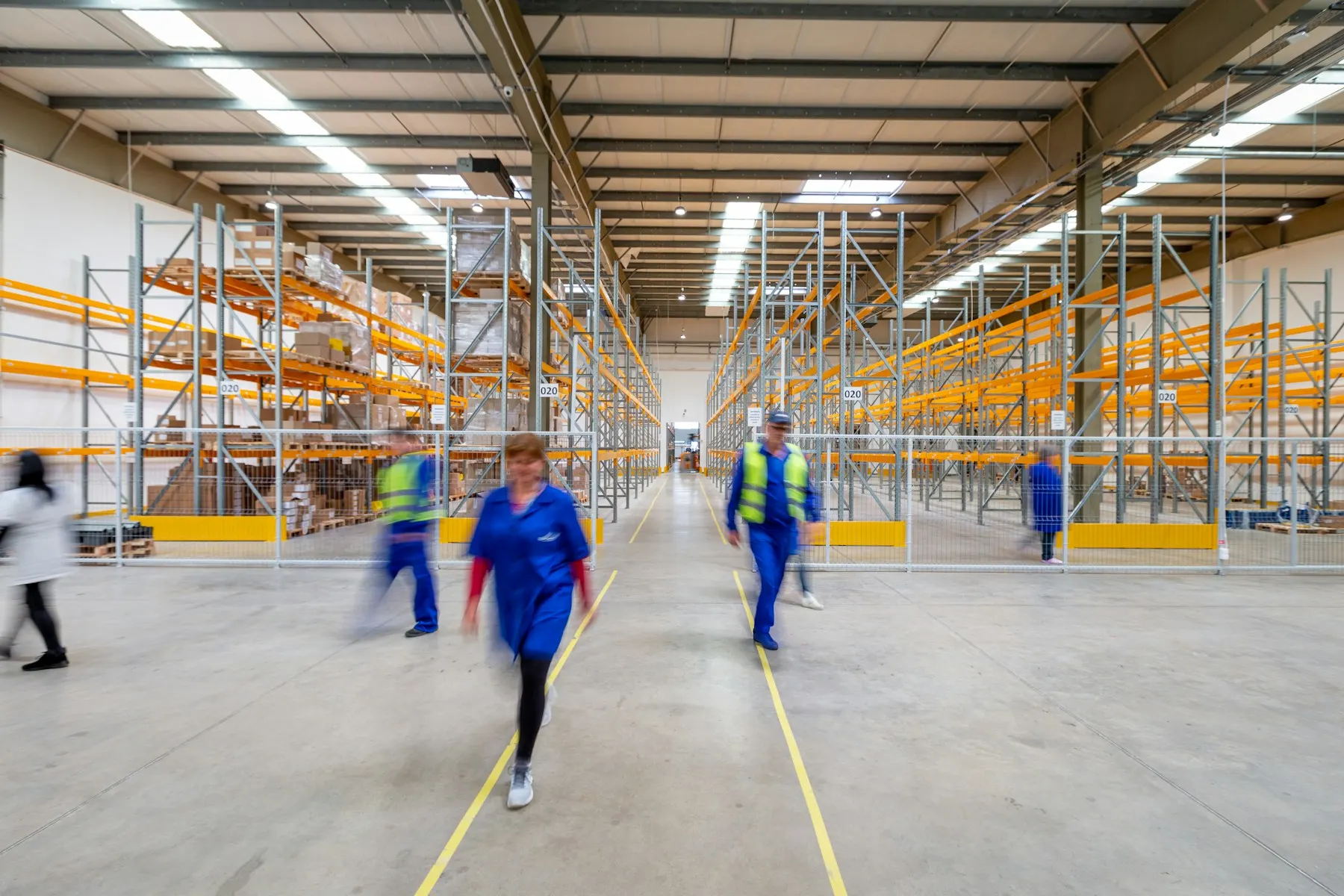
Pick a stage to see what AI does and which systems it has to work with. Each use case keeps a person approving decisions above agreed limits.
Re-forecasts at product and location level from orders, point-of-sale data and promotions, and flags bias in the current plan. Needs ERP sales history, the planning system and EDI feeds.
Explains why the plan changed, drafts S&OP summaries and resolves routine replenishment exceptions within set limits.
Finds wrong lead times, lot sizes, units and duplicate materials in the ERP and proposes fixes for approval.
Maps tier-2 suppliers from BOMs and invoices, watches news, sanctions and financial signals and links alerts to the purchase orders at risk.
Suggests product classifications, models tariff scenarios across sourcing options and prepares origin documents for a trade specialist to approve.
Reads supplier emails and PDFs, updates confirmed dates in the ERP, chases late orders and suggests alternative sources.
Re-sequences production orders when constraints change and shows the planner the impact before it is applied. Needs MES, the scheduling tool and the ERP.
Finds equivalent spare parts already in stock before a new one is bought.
Re-optimizes loads and routes on traffic and capacity, tenders to carriers and predicts arrival times. Needs the TMS, telematics and carrier APIs.
Checks carrier invoices against contracts, rates and shipment data and flags discrepancies for the freight team.
Answers customer and sales questions about order and shipment status from ERP, WMS and carrier data.
Forecasts inbound and outbound volumes, moves fast movers closer to dispatch and plans shifts. Needs the WMS and labor management system.
Classifies return reasons from text and photos, routes items to restock, refurbish or liquidation and feeds the result back into the forecast.
BCG asked 181 respondents in its planning survey where AI has made an impact in their organization. Many see limited value so far, and fixing master data comes first, ahead of forecasting itself.
BCG Annual State of Supply Chain Planning Survey 2025, published in May 2026. Respondents could choose several use cases.
| Self-healing master data | 30% |
|---|---|
| Automation of planning processes | 28% |
| Agentic AI to assist planners | 23% |
| Predictive analytics for forecasting | 18% |
| AI decision layer on top of planning systems | 17% |
| Geopolitical and supplier risk monitoring | 12% |
| Labor and workforce planning | 10% |
Not sure where AI fits in your supply chain?
We review your ERP, planning, warehouse and transport systems and show which decision AI can speed up first.
Budgets for agentic AI are rising fast. The evidence that it pays off at scale is still thin.
Evgeny Lupanov
Chief Technical Officer
Both are true. Agents are likely to take over routine decisions first, but only on top of clean master data and a reliable connection to the ERP and planning systems. Companies that skip that step end up with pilots nobody trusts. Start with one frequent decision, such as late purchase orders or replenishment exceptions, set clear limits and measure the result.
Connect AI to the ERP, planning, warehouse and transport systems through one data and integration layer, instead of a separate tool for each problem.
Clean lead times, lot sizes and supplier data first. It is the use case where planners already see the most impact from AI.
77% of US procurement and supply chain leaders report a talent gap. Build AI into the tools planners already use and train them on real decisions.
Make every agent show the data and reasoning behind a suggestion, log every action and keep a person approving anything above agreed limits.
Measure each use case against a baseline, such as forecast error, expediting cost or planner hours, before scaling it.
“If I had to pick one first agent for most supply chains, it would chase late purchase orders: read supplier emails, update confirmed dates in the ERP and flag the orders that put production at risk. A four-week proof of concept on real supplier mail shows quickly how much buyer time it frees and how often its suggestions are right.”
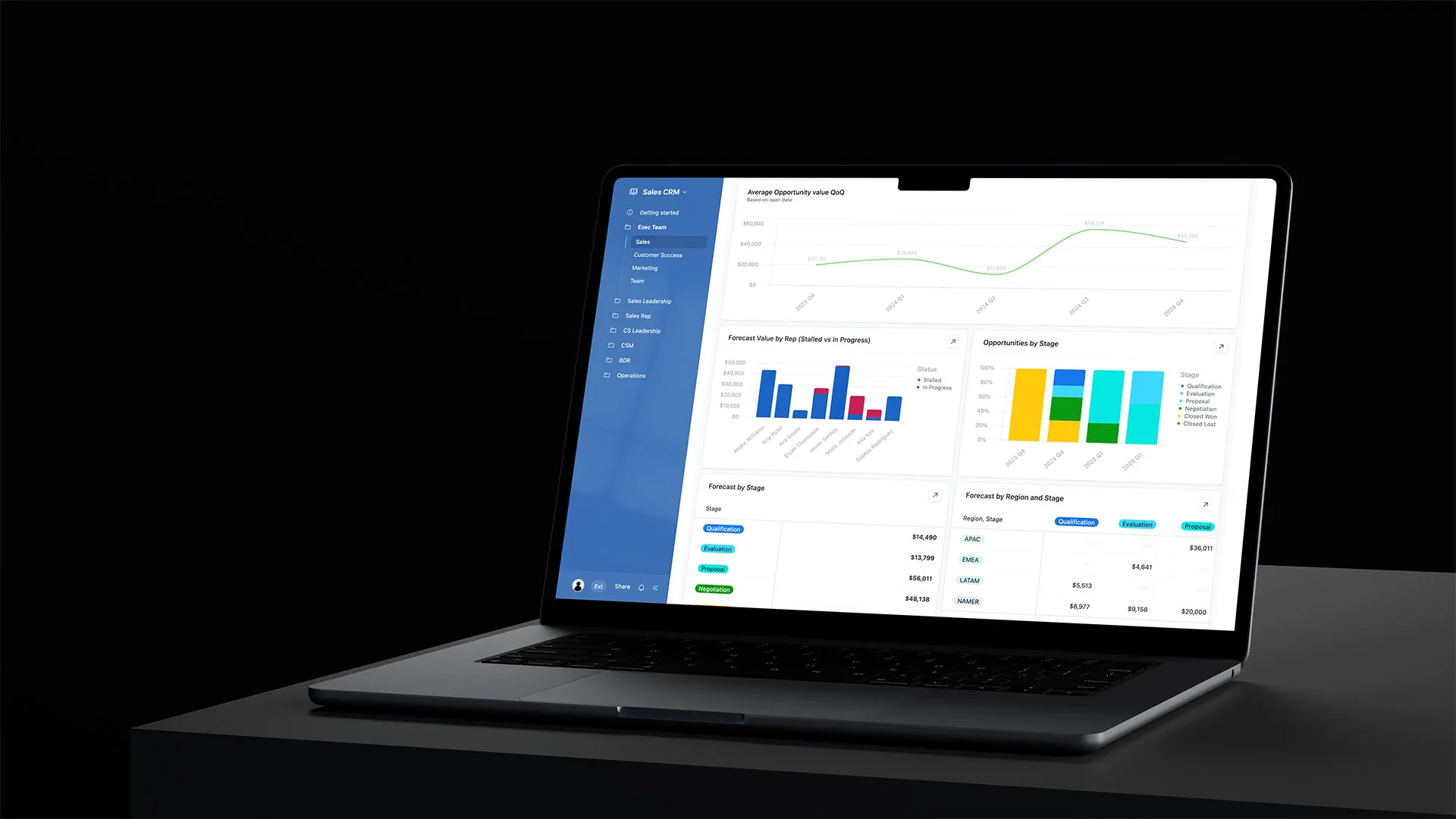
These are not AI projects, but they are the order, booking and ERP systems that supply chain AI connects to.
70% less manual work
For a growing UAE business, we built an ERP with CRM, sales, purchasing and events modules, connected through automations, and delivered it in 4 weeks.
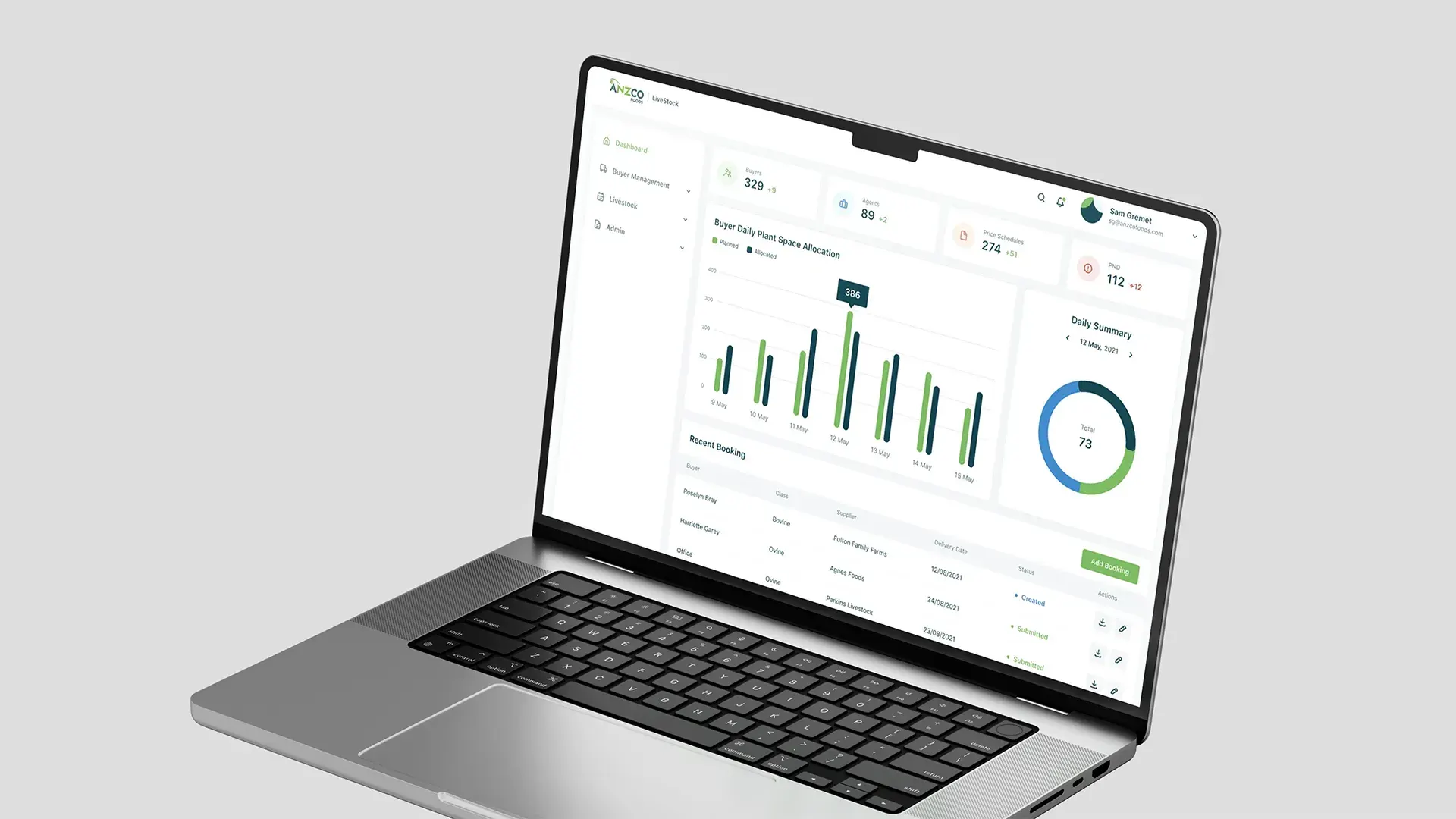
Built for a leading New Zealand meat producer
We developed and modernized a web platform that coordinates livestock bookings between buyers, suppliers and transport coordinators for a leading New Zealand meat producer.
Sources
Tell us about your ERP, planning and logistics systems and the decision that takes your team the most time. We will come back with where AI pays off first and a rough estimate.